
In Wylie, TX, where unpredictable storms and occasional grid failures are more than just a minor inconvenience, having a reliable backup power source is becoming a necessity rather than a luxury. Whether you’re looking to protect your home during power outages or ensure uninterrupted comfort for your family, the choice often comes down to two powerful options: generators and battery backup systems. Understanding the strengths and limitations of each can make a world of difference for local homeowners, especially when choosing between long-term reliability and eco-conscious innovation.
At JME Electric Group, our mission is to help families across Wylie and the surrounding areas make informed electrical decisions that suit their unique lifestyles and homes. This guide will explore the key differences, benefits, and ideal use cases for both generators and battery backup systems—empowering you to choose with confidence.
Key Takeaway:
Generators are best for long-duration, high-demand needs, especially during severe weather, while battery backups offer cleaner, quieter, short-term energy solutions that are ideal for eco-conscious homeowners and solar setups.
Understanding the Basics of Backup Power Options
How Generators Work in Residential Settings
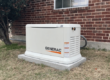
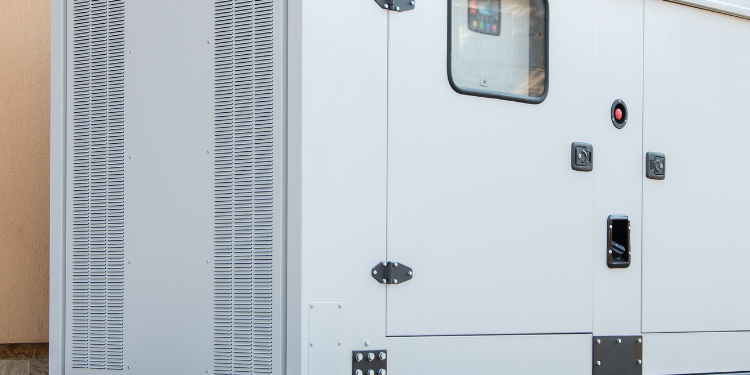
Generators run on fuel—typically natural gas, propane, or diesel—to create electricity when grid power fails. They’re designed to keep major appliances, HVAC systems, and entire homes running smoothly during extended blackouts. For homeowners in areas with frequent outages or storms, such as Wylie, TX, a generator can be a game-changer. These systems can be automatic or manual and typically offer the ability to power large loads for days on end when properly fueled.
Battery Backups and Modern Energy Storage
Battery backup systems store electricity for later use. They are often paired with solar energy systems and work silently to maintain power for essential appliances and electronics. These systems are great for short-term power needs and energy efficiency. They are especially ideal for families looking to lower their carbon footprint without sacrificing peace of mind.
Safety, Noise, and Installation Requirements
Generators, especially portable or gas-powered ones, require proper ventilation and safety checks due to emissions and potential hazards. They are generally louder and require more frequent maintenance. Battery systems, on the other hand, operate quietly and require little to no maintenance. Our licensed electrical contractors help ensure both systems are installed with the highest safety standards.
Evaluating Cost, Maintenance, and Lifespan
Comparing Upfront Costs and ROI
A professionally installed whole-house generator may cost more upfront but offers significant value during long-term outages. Battery systems generally come with a lower initial investment, especially for smaller setups. The return on investment depends on your home’s needs and how often you face power interruptions.
Long-Term Maintenance Expectations
Generators need routine maintenance including oil changes, fuel refills, and occasional part replacements. Battery backups have fewer moving parts and rely on electronics that require minimal upkeep. This difference makes battery systems more appealing to homeowners wanting a “set it and forget it” solution.
How Lifespan Differs Based on Usage
Generators tend to last 10–30 years depending on brand and maintenance. Battery backups typically last 7–15 years, though newer lithium-ion models can reach the higher end of that range. With either choice, proper installation from experienced home repair professionals ensures the system runs reliably throughout its lifespan.
Emergency Preparedness and Reliability
Weather Resilience for Texas Conditions
For homes in Wylie and surrounding areas where storms and ice events can wreak havoc, whole-home generators offer unmatched peace of mind. They turn on automatically and can run your entire electrical system. Battery backups, while limited in power capacity, are sufficient for keeping essential electronics, medical devices, or security systems running for several hours.
Compatibility with Solar Panels
Battery backups shine when combined with solar power, allowing homeowners to generate and store their own electricity. This setup reduces reliance on the grid and provides eco-friendly backup energy. Generators are not solar-dependent but can be a better fit for homes without solar installations.
Real-Life Applications in Wylie Homes
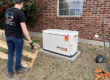
At JME Electric Group, we’ve installed both backup options for homeowners with unique needs. Some clients opt for a customized electrical solution to combine solar panels with battery backups for efficiency. Others prefer generators to run their entire household, including well pumps, HVAC, and refrigerators, especially in areas prone to long outages.
Installation Considerations and Local Requirements
Permits and Code Compliance in Wylie, TX
Installing either system requires permits and compliance with local codes. Our team of certified electricians ensures all installations meet Wylie’s strict safety and building standards. Whether you’re adding a generator to a newly built home or retrofitting a battery backup, having professionals handle the process avoids costly mistakes.
Sizing the System Correctly
Generators must be properly sized to handle the electrical load of your household. Undersizing can cause the generator to fail during use, while oversizing wastes fuel and increases installation costs. Battery systems also need careful calculation based on peak usage and available solar input, especially if you plan to go off-grid.
Working with a Trusted Local Team
Choosing a partner like JME Electric Group ensures that your installation is done right. We walk you through the options, assess your energy needs, and recommend the right system for your specific goals—whether it’s long-term durability or environmentally responsible living.
Answering Common Questions
Is a generator or battery backup better for long power outages?
Generators are the better choice for extended outages. They can run indefinitely as long as fuel is available, making them ideal for emergency preparedness.
Can a battery backup run my whole house?
Battery backups are typically designed to support essential loads only, like lighting, Wi-Fi, refrigerators, and medical equipment. They are not intended for entire-home operation unless paired with a robust solar array and larger battery bank.
Do battery backups work if I don’t have solar panels?
Yes, battery backups can be charged by the grid and used during outages, though pairing them with solar makes them more sustainable and cost-efficient over time.
Environmental Impact and Sustainability
Battery backups offer a more environmentally friendly option, especially when integrated with renewable energy. They produce no emissions, operate silently, and reduce dependency on fossil fuels. In contrast, generators burn fuel and produce noise and emissions, though newer models are becoming more efficient.
Cost Efficiency Over Time
While generators may offer a lower cost-per-watt during emergencies, battery backups provide energy savings through grid load-shifting and solar integration. Homeowners who prioritize long-term energy efficiency often lean toward battery systems, especially in newer smart homes.