
From Switchboards to Sockets: Electrical Installations Done Right
If you are planning new outlets, upgrading a panel, or adding lighting around your Wylie, TX home, the details matter. This guide walks you through what “done right” looks like for electrical wiring, circuit protection, and modern additions like EV charger installations and whole home surge protection.
Last week, a homeowner in Wylie texted about a simple request: “Can we add outlets near the kitchen island?” The issue was that the breaker kept tripping when they ran the microwave and the toaster together.
That is the common situation where an outlet installation becomes a bigger electrical troubleshooting job. The fix is not just swapping parts. It is checking the circuit breaker setup, verifying wiring capacity and connections, and making sure the new work is safe and code-correct for the way the home is actually used.
This guide helps you understand what to check first, which electrical installation decisions affect safety, and how to avoid the mistakes that can lead to repeated breaker trips, flickering lights, or unreliable connections.
Quick Answer
If you are adding outlets, upgrading lighting, or planning electrical repairs, start by identifying the existing circuit, breaker condition, and how the home is wired. A professional installation should include proper circuit protection for the load, correct outlet and switch wiring methods (including GFCI outlet installation where required), and safe termination practices. If you have breaker trips, warm outlets, buzzing switches, or flickering lights, do not “work around it” with power strips. Instead, ask for electrical troubleshooting and electrical code corrections before the new installation begins.
What to Check First
Before any new device goes in, the goal is to confirm that the electrical system can safely support it. For homeowners in Wylie, TX, that usually means focusing on the panel, the circuits, and the wiring route.
1) The breaker and panel setup
Look for signs of wear, loose connections, or mismatched protection. If you are considering Electric Panel Upgrades or Circuit Breaker Replacement, the existing panel capacity and labeling matter.
2) The circuit you are tying into
A new outlet or light fixture should match the circuit’s load and wiring method. For higher-demand additions, a Dedicated Circuit Installation may be the safer path.
3) Protection for the location
Bathrooms, garages, and outdoor areas often call for GFCI Outlet Installation. Many modern homes also benefit from AFCI Breaker Installation where applicable.
If you are unsure where the problem starts, that is exactly where electrical troubleshooting helps. It is common to find that “the outlet is the issue” is really a circuit breaker, wiring connection, or routing problem upstream.
Professional observation: When an installation touches the panel, outlets, or lighting circuits, safety depends on the full path from breaker to device, not just the outlet or switch you can see.
Main Things Customers Should Understand
Electrical installations can look straightforward, but the quality is determined by how the system is planned and executed. Here are the decisions that most often separate a reliable installation from one that causes repeat service calls.
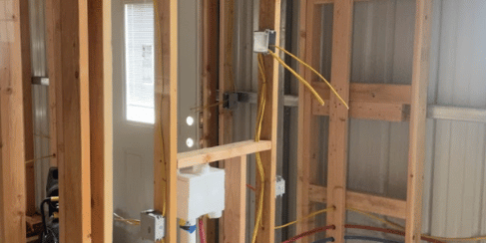
Switchboard-to-socket planning
“From switchboards to sockets” is not just a phrase. It means every new load you add, whether it is Indoor Lighting Installation, Outdoor Lighting Installation, a ceiling fan, or an EV charger, has to be accounted for in the circuit design.
Wiring quality and connection integrity
Even with the correct breaker, poor connections can cause heat buildup, intermittent power, and nuisance trips. If you are dealing with Home Rewiring or suspect Aluminum Wiring Repair, the priority is correcting the wiring method and connection practices, not just replacing one failing device.
Outlet installation that matches real use
When customers ask for Outlet Installation, they are usually thinking about convenience. The installer should also think about safety. That includes correct device types, proper grounding, and whether GFCI Outlet Installation or other protection is appropriate for the location.
Lighting installs that avoid flicker and premature failures
Lighting issues often show up as flicker, dimming, or inconsistent motion sensor lighting behavior. For reliable results, the wiring and switch setup must match the fixture type, including LED Lighting Installation, Recessed Lighting Installation, dimmer switch compatibility, and motion sensor requirements.
For example, if you are planning new under-cabinet lighting or a security lighting layout, the install should include clean wiring runs and correct control wiring so the lights behave consistently.
Surge protection and electrical service upgrades
Whole home surge protection is not a “nice to have” for everyone, but it can be a smart addition when you are updating circuits, replacing older components, or adding sensitive loads. If you are considering Whole Home Surge Protection as part of an Electrical Service Upgrades plan, it should be installed in a way that supports your overall panel and circuit strategy.
EV charger installation planning
EV charger installations should be treated as dedicated electrical infrastructure. The goal is correct circuit protection, safe wiring, and a reliable connection strategy that fits the charger’s electrical requirements. If you are in the planning stage, it is worth reviewing EV charger installation planning before you choose equipment locations.
Why This Matters in Wylie, TX
In Wylie, TX, many homes combine older wiring practices with newer additions over time. That can create a patchwork of circuit loads, especially when people add kitchen appliances, outdoor lighting, or smart home wiring across different years. Seasonal temperature swings also affect how systems behave, which is why a “mild issue” can become obvious later.
When electrical repairs and new installations are coordinated, you reduce the odds of nuisance trips and unstable performance. That is also why it helps to plan around the electrical panel and circuit breaker setup first, then build outward to outlets and lighting.
Local focus: A panel-centered approach helps keep outlet installation, lighting installation, and electrical troubleshooting aligned, even when the home has been updated in stages.
Representative Scenario
Consider a typical Wylie, TX situation: a family wants additional outlets for a home office and a few new fixtures. During electrical troubleshooting, the installer notices that the kitchen circuit is already running heavy loads and the breaker trips under combined use. Instead of stopping at outlet installation, the installer plans the job around the existing load profile.
The result is a safer setup: the new outlets are added to an appropriate circuit strategy, and the lighting work is matched to the correct wiring and control method. If the panel needs updates for safe capacity and circuit protection, that work is coordinated early so the rest of the installation stays clean and reliable.
Common Mistakes to Avoid
Most installation problems are preventable. Here are common missteps that lead to repeated electrical repairs, flickering lights, or breaker trips.
- Adding outlets without checking the circuit breaker capacity and existing load patterns.
- Skipping correct protection for the installation location, like not using the right approach for GFCI outlet installation in appropriate areas.
- Assuming a lighting fix is only about the bulb instead of verifying the wiring, switch, and control compatibility for dimmer switch installation and LED lighting.
- Overloading one circuit instead of planning dedicated circuit installation for high-demand equipment.
- Making connections without addressing wiring condition when symptoms point to home rewiring needs or aluminum wiring repair.
Customer Checklist
Use this checklist when you are planning electrical installations in Wylie, TX. It helps you ask the right questions and understand what “done right” should cover.
- Confirm what circuits you are using and whether new work requires a Dedicated Circuit Installation.
- Ask whether Electrical Troubleshooting is needed before adding outlets, lights, fans, or other loads.
- Verify outlet protection needs, including GFCI Outlet Installation where appropriate.
- Discuss whether AFCI Breaker Installation or Circuit Breaker Replacement is part of the safe solution.
- For lighting projects, confirm plans for LED Lighting Installation, recessed lighting, and motion sensor lighting installation details.
- If you are planning EV charging, confirm the approach for EV Charger Installation and the correct circuit strategy.
Practical Recommendation
When you are coordinating multiple updates, start with the foundation: the panel and circuit protection. After that, plan your outlets and lighting with the same care so everything works together. If your project includes panel work, surge protection, or rewiring concerns, it is smarter to address those first so later additions do not expose weak links.
Talk through your electrical installation plan
If you want a clear path for safe electrical wiring, outlet installation, and circuit protection, JME Electric Group can help you map the job from switchboard to socket.
Contact JME Electric GroupOr call (971) 955-9758.
Decision Table: What Often Drives the Next Step
Use this to understand what typically comes next during an installation project when conditions change. This is a practical guide, not a substitute for on-site assessment.
| What you notice | Likely installation factor | Common next step |
|---|---|---|
| Breaker trips when multiple appliances run | Load on the circuit and circuit breaker setup | Electrical troubleshooting and evaluation for Electrical Repairs and possible Circuit Breaker Replacement |
| Outlets feel loose or stop working intermittently | Outlet wiring condition and connection integrity | Outlet installation corrections or targeted rewiring as needed |
| Outdoor lights act inconsistent or fail early | Installation location requirements and wiring routing | Outdoor lighting installation planning with correct protection and wiring practices |
| EV charger is planned for home charging | Dedicated circuit strategy and safe protection | EV charger installation scope review before equipment placement |
| Suspected whole-home surges or sensitive electronics | Whole home surge protection integration | Whole home surge protection planning tied to the panel and service upgrades |
Frequently Asked Questions
Do I need a panel upgrade just to add new outlets?
Not always, but it depends on what is already on the panel and how the existing circuits are arranged. If your current setup has limited capacity, or if a circuit is already overloaded, adding outlets can increase demand in a way that leads to breaker trips. A good approach is to identify the circuit you will extend and check whether a dedicated circuit installation is needed. If the panel or circuit breakers show signs of mismatch or wear, an Electrical Service Upgrades plan may be part of the safe solution.
What is the difference between GFCI outlet installation and regular outlet wiring?
GFCI outlet installation is designed to add protection for people in areas where electrical shock risk is higher, such as bathrooms, garages, and outdoor locations. Regular outlet wiring can be safe when installed correctly in appropriate areas, but GFCI protection addresses specific safety concerns. If you are adding outlets near water sources, outside, or in a garage, it is worth confirming the protection requirements for your location. A professional installation should verify grounding and connections, not just swap in a device.
Can LED lighting installation cause flickering?
Yes, flickering can happen when the wiring and control setup are not aligned with the fixture and switch type. Common causes include dimmer switch compatibility issues, incorrect control wiring, or a switch setup that does not match the lighting load. During an indoor lighting installation, it is helpful to confirm plans for dimmer switch installation, recessed lighting installation, and motion sensor lighting installation (if used). When the wiring plan matches the fixture requirements, LED lighting typically performs more reliably.
Should I plan home rewiring or electrical repairs if I see warm outlets?
Warm outlets are a safety signal, and they should be addressed instead of ignored. They can indicate connection issues, wiring condition problems, or overload situations. The right next step is electrical troubleshooting to find the cause. Depending on what is found, the solution might be outlet installation corrections, circuit breaker replacement, or more involved work such as home rewiring. If aluminum wiring repair or wiring condition corrections are needed, those should be handled carefully so the new installation does not create additional stress on existing connections.
What should I consider before EV charger installation?
EV charger installation should be planned around the electrical circuit strategy, safe wiring, and correct circuit protection. It helps to confirm where the charger will be installed and how the wiring route will be handled. Often, a dedicated circuit installation is part of the plan so the charger does not share power in a way that affects other loads. If you are already planning panel work or whole home surge protection, coordinating those updates early can keep the installation clean and reduce the chance of rework.
Ready for a “Done Right” Installation?
If you are adding outlets, upgrading lighting, repairing electrical issues, or planning a bigger electrical service upgrade in Wylie, TX, JME Electric Group can help you plan the work so it is safe and reliable from the breaker to the device.
Contact JME Electric Group
Tell us what you are installing and what issues you have noticed. We will help you choose the right approach for electrical wiring, outlet installation, and circuit protection.
(971) 955-9758Or visit jmeelectricgroup.com.