
If you notice a burning odor near outlets, a breaker panel, or a light fixture in Wylie, TX, treat it like a potential electrical hazard. This guide helps you identify what to check right away, understand likely causes, and decide when to call JME Electric Group for electrical repairs and troubleshooting.
A few minutes after turning on the kitchen appliances, you catch a faint burning smell. Then you notice it again when you reset a breaker or when a particular room light is switched on. In Wylie, TX, where homes often run air conditioning and everyday electronics close together, that kind of odor can quickly become a safety issue.
This guide walks you through what to check first, what warning signs mean you should stop using power in that area, and how a licensed electrician typically approaches electrical troubleshooting. You will also get a practical checklist you can use while you decide on next steps.
- Quick answer
- What to check first
- Main things customers should understand
- Why this matters in Wylie, TX
- Common mistakes to avoid
- Customer checklist
- Frequently asked questions
Quick Answer
If you smell burning near outlets, switches, lights, or your electrical panel, stop using the affected area and turn off power at the breaker if it is safe to do so. Burning odors can indicate loose connections, overheating wiring, or a failing breaker or device, and those issues can worsen quickly. After you reduce the risk, call an electrician for Electrical Troubleshooting and Repairs. A pro can locate the source, check for damaged wiring or overheating at connections, and correct the underlying problem, not just the symptom.
What to Check First
Start with safety, not diagnosis. If you see smoke, sparks, or feel heat coming from an outlet, switch, or panel area, do not investigate further. Step back and shut off power at the breaker that feeds the affected circuit if you can do it without approaching heat.
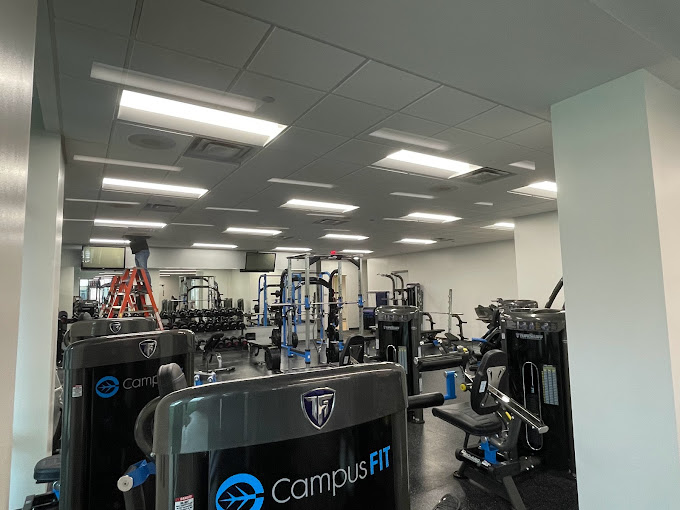
Professional observation: Burning smell is often caused by heat at a connection. That can be inside a receptacle, at a switch, at a breaker contact, or at a splice behind a wall. Until power is reduced and the source is found, it is hard to know which component is failing.
Once power is reduced, check these items methodically:
- Location and pattern: Does the odor come from one room, one outlet, or one specific light or appliance?
- Temperature: With power off, carefully feel the surrounding cover plates and nearby area from a safe distance. If anything feels unusually warm, do not turn power back on.
- Breakers and tripping: Does a breaker trip immediately, stay on but smell persists, or does the odor appear after you reset?
- Visible damage: Look for discoloration on outlet or switch faceplates. Warped plastic, scorch marks, or bubbling paint are strong clues.
- Recent changes: Did you recently install a device, replace a light fixture, or run new wiring for a project?
Main Things Customers Should Understand
In homes around Wylie, TX, electrical issues can show up in different places depending on home layout, how circuits were planned, and what has been added over the years. A burning odor typically points to a component running too hot, which often involves either a connection problem or a protective device that is not functioning as intended.
Common source: outlet or switch connections
Loose wiring at an outlet installation, a worn receptacle, or an improper connection can create localized heat. GFCI outlet installation issues can also show up when the device is failing under load.
Common source: breaker or subpanel contact
A breaker that is under strain or making poor contact can overheat. This is especially relevant during high-demand seasons when more circuits are running at once.
Common source: overloaded or mismatched wiring
Using a circuit for the wrong purpose, running too much load through an extension or adapter, or issues from older wiring can lead to overheating. If you suspect older wiring, a home rewiring and surge protection review may be necessary.
Here is a practical decision guide for what you are likely dealing with, based on what you observe. It is not a substitute for electrical safety inspections, but it can help you explain the situation when you call.
| What you notice | Likely cause category | What an electrician typically checks |
|---|---|---|
| Smell near one outlet or switch | Loose connection, damaged device, or heat at terminations | Outlet installation quality, wiring condition, connection tightness, and signs of overheating |
| Smell near the breaker panel | Overheating at breaker contacts or electrical service upgrades needed | Breaker replacement needs, panel terminations, and circuit health |
| Smell appears after using one appliance | High-load device issues or overloaded circuit | Dedicated circuit installation needs, electrical troubleshooting for that circuit, and safe load distribution |
| Smell comes and goes with lights | Light fixture replacement or connection issues | Indoor lighting installation connections, recessed lighting installation concerns, and fixture compatibility |
Why This Matters in Wylie, TX
In Wylie, TX, many homes rely heavily on air conditioning and indoor comfort systems during warmer months, which increases electrical load. If a connection is already slightly loose, heat can build under repeated demand. That is why a burning smell can seem to appear “out of nowhere,” but it often reflects an underlying issue that finally reached a critical point.
Another local factor is how many homes have been updated over time. You might have added ceiling fan installation, new lighting, outdoor lighting installation, or even an EV charger installation. Those upgrades are usually fine when planned correctly, but they can reveal existing weaknesses in older wiring or create new load distribution challenges if circuits were not evaluated.
If you are trying to narrow down the source, start by reviewing what was changed most recently and which circuits you are using at the same time. For example, if the odor appears when particular lighting or fans are running, it can guide the troubleshooting path for Electrical Repairs.
Need help diagnosing a burning odor safely?
JME Electric Group can perform electrical troubleshooting to find the heat source behind the smell and recommend the correct electrical repairs for your Wylie home.
Call JME Electric GroupCommon Mistakes to Avoid
When homeowners smell burning, the instinct is often to “try again” with power restored, especially if the breaker resets. That can turn a manageable repair into a bigger electrical incident. The goal is to prevent further heat damage while you identify the source.
- Resetting breakers repeatedly: If a breaker is overheating, repeated resets can worsen damage to the breaker or upstream wiring.
- Using the same outlet or device: If an outlet is the source, every additional use increases heat exposure.
- Ignoring a smell near recessed lighting or fixtures: Loose or failing connections inside a fixture can keep generating heat even if the fixture “works.”
- Assuming it is “just the appliance”: Appliances can fail, but burning odors that correlate with electrical locations should be treated as an electrical safety inspection issue.
- DIY splicing inside walls: Electrical wiring repairs require correct methods and safe, code-aligned connections.
If you suspect the issue is tied to a larger electrical system, it may connect to electrical panel upgrades and repairs or whole home surge protection. A careful inspection helps you determine whether the fix is localized or whether electrical service upgrades are needed.
Customer Checklist
Use this checklist while you prepare for an electrician. It helps the technician focus on the right circuits and components during electrical troubleshooting and electrical repairs.
- Turn off power to the affected circuit if it can be done safely.
- Note where the smell is strongest (outlet, switch, light fixture, panel area, or a specific room).
- Record what you were doing right before the odor appeared.
- Check whether any breaker trips, and which breaker you reset.
- Look for visible signs of overheating on faceplates (discoloration, scorch marks, warping).
- List any recent electrical changes (light fixture replacement, fan installation, new outlets, or EV charger installation).
- Keep the affected area off until inspected.
- Share your notes with JME Electric Group when you call.
Representative scenario: the burning smell that returns
For a Wylie, TX homeowner, the burning smell started near a living room outlet. At first, it appeared only when a space heater was plugged in. After turning off that heater, the smell stopped for a few hours, then returned when another appliance was used in the same outlet. The breaker did not trip, but the outlet faceplate showed slight discoloration. The electrician traced the heat to an overheating connection at the receptacle and corrected the wiring and outlet installation before restoring safe operation.
If you are seeing a pattern like this, it is usually not about “more load.” It is about a connection or device that cannot handle the current conditions safely. That is the kind of situation where Electrical Troubleshooting and Electrical Repairs matter.
Frequently Asked Questions
Should I turn off power if I smell something burning?
Yes. If the burning odor seems electrical, the safest move is to stop using the affected area and turn off the related circuit at the breaker if you can do so safely. Avoid investigating closely if there is heat, smoke, or visible damage. Once power is off, you can note where the smell is coming from, whether a breaker trips, and which devices were running. Then contact an electrician for Electrical Troubleshooting and Electrical Repairs so the source can be identified and corrected.
What usually causes a burning smell near outlets or switches?
Burning odors near outlets or switches often come from heat at a connection. That can be caused by a loose termination, an aging receptacle, or a wiring issue behind the wall. If the problem is tied to GFCI Outlet Installation in a wet area, a failing device can also contribute to overheating. A pro will inspect the wiring connections, check the device condition, and verify safe operation so the issue does not return.
Could the burning smell be from the electrical panel?
It can. When the odor seems to come from the breaker panel, the cause may involve overheating at breaker contacts or a problem with circuit connections. A licensed electrician can check for signs of heat damage, evaluate circuit behavior, and recommend the right repair steps. If you also notice breakers tripping or the smell recurring when certain loads run, that points to a circuit-level issue that should not be ignored.
Does installing new lighting or fans increase the risk?
Upgrades like indoor lighting installation, recessed lighting installation, or ceiling fan installation are not inherently risky when done correctly. However, adding loads can reveal existing weaknesses in wiring, connections, or circuit planning. If burning odor appears after a recent fixture or fan installation, that is a strong clue to inspect the work and the circuit feeding it. Electrical safety inspections help confirm everything is connected safely and operating within appropriate limits.
What should I tell the electrician when I call?
Share the location of the smell (outlet, switch, light fixture, or panel area), when it happens, and what you were using at the time. Mention whether any breaker tripped and which breaker it was. If you recently added devices like an EV charger installation, new outlets, or home rewiring and surge protection work, include that too. Your notes help the technician focus the troubleshooting on the most likely circuit and connection points.
Get electrical troubleshooting in Wylie, TX
If you are dealing with a burning smell, the safest next step is a professional assessment. JME Electric Group can help locate the heat source and recommend the correct electrical repairs for your home.
Contact JME Electric Group
About JME Electric Group
JME Electric Group provides electrician services for Wylie, TX and surrounding areas, including electrical wiring, outlet installation, GFCI outlet installation, AFCI breaker installation, electrical panel upgrades, circuit breaker replacement, whole home surge protection, and electrical troubleshooting. Whether you need help with dedicated circuit installation, subpanel installation, home rewiring, or indoor and outdoor lighting installation, the focus is on electrical safety and practical repairs you can live with.
To explore related services, you can review electrical panel upgrades and repairs, outlet installation, home rewiring and surge protection, EV charger installation, and lighting installation.