
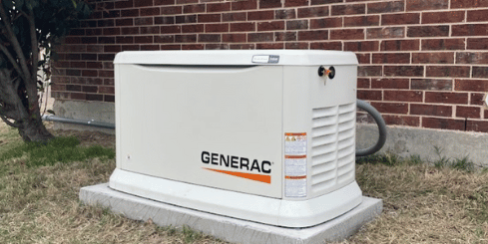
Quiet Power Starts Here: Generator Installations Specialists
If you are planning a backup generator for your home in Wylie, TX, the wiring details are what make the difference between smooth operation and a setup you do not want to trust. This guide explains what to verify before installation, which electrical components matter most, and how to avoid common mistakes during generator wiring and transfer setup.
You already picked out a generator that fits your needs, but now you are staring at the next step: how it connects to your home. In Wylie, TX, it is common for homeowners to want backup power for essentials like refrigerators, some lighting, and maybe HVAC, and then realize the plan depends heavily on the electrical wiring and transfer method.
There is also the safety side. If the generator connection is not set up correctly, it can create dangerous backfeed risk or leave you with circuits that do not energize the way you expected.
This guide will help you understand what to check first, the main factors that affect generator installations and wiring, and how to coordinate the work with your existing electrical panel and protection devices. You will also find a practical checklist you can use before installation day.
Quick Answer
If you want reliable backup power, start by planning the generator connection around your electrical panel, transfer equipment, and the circuits you want to run. A safe generator installation typically includes correct wiring, proper switching/transfer setup, and correct integration with existing protection devices like breakers and whole home surge protection where applicable. Before work begins, confirm your panel layout, identify which circuits will be dedicated or selected, and ensure the wiring matches your home’s needs. JME Electric Group can help you review the setup and coordinate the generator installations and wiring details.
What to Check First
Before you schedule generator installations, gather the basics about your home’s existing electrical system. This step saves time and helps prevent last-minute changes.
1) Your panel layout
Look at your electrical panel and note breaker positions, any subpanel presence, and whether you have room for additional equipment.
2) The transfer approach
Decide how your generator will connect to the home. The correct transfer method depends on your circuits and how you want loads managed.
3) The target circuits
List what you want powered during an outage. This is where dedicated circuit installation and electrical service upgrades often come into play.
Then, take a closer look at safety and compatibility. If you have older wiring or aluminum wiring concerns, generator wiring should be treated as part of the bigger electrical safety inspection plan, not a separate “add-on.”
If your home needs updates beyond the generator itself, you may also want to review electrical panel upgrades and repairs so the panel can support the transfer setup safely.
Main Things Customers Should Understand
Generator installations are not only about running a cable from the generator to the house. The goal is quiet, reliable power that behaves predictably when the utility power goes out.
Professional observation: Most generator issues homeowners notice are wiring-related. They show up as backfeed concerns, circuits that do not energize as expected, nuisance breaker trips, or a setup that does not coordinate with your existing breakers and surge protection.
Transfer and switching must match your loads
When you select circuits for backup, you are also selecting how power will be routed during an outage. The wiring and switching need to match the loads you want, whether that is a whole-home approach or a focused set of circuits. This is often where dedicated circuit installation matters most.
Breaker replacement and breaker type can affect performance
If you are planning circuit changes alongside generator wiring, it is common to review electrical wiring conditions and confirm your breakers and connections are suited to the intended loads. In some cases, circuit breaker replacement or AFCI breaker installation and GFCI outlet installation type protection may be part of getting the system right.
Whole home surge protection is about the “in-between” moments
Surges can happen during switching events and power restoration. Many homeowners choose whole home surge protection as part of a broader electrical service upgrade plan. If you have had past electrical troubleshooting or repeated issues with sensitive electronics, coordinating surge protection with the generator setup can reduce surprises.
If you are also updating lighting loads, generator planning can interact with indoor lighting installation and related wiring work. Planning the electrical wiring path before you mount fixtures or switches helps keep the generator wiring organized and safer.
Representative scenario: Wylie homeowner with “partial backup”
A Wylie, TX homeowner planned to power the refrigerator, a few outlets, and some lighting during outages. During installation planning, the contractor identified that the selected circuits were spread across multiple breaker locations and that the home would benefit from a clearer circuit grouping. Coordinating the generator installations and wiring with the panel layout allowed the homeowner to get predictable results without energizing everything in the house.
Decision table: choose the backup approach that fits your priorities
| Backup approach | Best fit for | What typically needs planning | Common homeowner question |
|---|---|---|---|
| Selected circuits (essential loads) | Homes that want predictable power for key items | Dedicated circuit installation, wiring routes, and correct switching | “Will my fridge and lighting run the way I expect?” |
| Expanded load coverage | Homes that want more rooms and appliances supported | Electrical service upgrades, coordinated breaker strategy, and load management planning | “Do I have enough capacity in the panel for the upgrade?” |
| Whole-home style planning | Homeowners aiming for broad coverage | Subpanel installation considerations, coordinated protection devices, and wiring organization | “Will the setup still feel safe and manageable during outages?” |
Customer-focused takeaway: The “right” generator installation is the one that matches how you live during an outage. When the circuit plan and wiring plan align, the experience feels simple instead of stressful.
Why This Matters in Wylie, TX
In Wylie, TX, many homes include a mix of older electrical wiring and newer additions, especially where remodeling added outlets, lighting, and comfort upgrades. When outages happen, homeowners do not just want power. They want the right power with minimal confusion.
That is why generator installations in Wylie often benefit from an electrical safety inspection mindset: you are coordinating the generator connection with your panel, your breakers, and the wiring routes already in your home. If your property has a garage or outbuilding wiring path, generator setups can also connect to how you route power to those spaces for security or convenience.
If you are planning exterior power for convenience loads, you may also want to review outlet installation so the outlets you rely on during outages are wired and protected as intended.
Ready to plan a generator setup that fits your circuits?
JME Electric Group can review your Wylie, TX home’s panel layout and generator wiring needs, including transfer setup planning and electrical coordination.
Call JME Electric GroupCommon Mistakes to Avoid
Homeowners usually do not run into trouble because they “picked the wrong generator.” The problems start when the wiring and circuit plan do not match the home.
- Assuming the panel is ready for the connection without checking space, breaker compatibility, and switching requirements.
- Skipping electrical troubleshooting when outlets, lighting circuits, or breakers have been inconsistent before.
- Choosing the wrong circuit list so the generator energizes loads you do not need while leaving out the essentials you counted on.
- Ignoring surge protection considerations when sensitive electronics are part of your plan.
- Overlooking outdoor and accessory wiring paths if you want power for areas like security lighting or a garage-related setup.
Customer Checklist
Use this checklist to keep your generator installations organized from planning through wiring and coordination.
- Confirm your electrical panel details (breaker sizes/locations and whether you have a subpanel).
- Write down the exact circuits you want powered during an outage, including any dedicated circuit installation needs.
- Identify whether any circuits require GFCI outlet installation or updated outlet protection.
- Review existing electrical wiring conditions, especially if you suspect aluminum wiring repair needs or older wiring.
- Plan for correct switching/transfer wiring so there is no unsafe backfeed risk.
- Decide whether whole home surge protection is part of your electrical service upgrades for added protection.
- Coordinate with any related projects like EV charger installations, lighting updates, or garage door installations so wiring routes do not conflict.
Practical recommendation: coordinate generator work with your next electrical priorities
If you are already thinking about other electrical upgrades, it often makes sense to bundle planning so wiring paths stay organized. For example, if you are upgrading charging power for daily use, it can impact how you think about electrical capacity for the home. When relevant, you can also explore EV charger installation planning alongside broader electrical service upgrades.
Get your generator wiring plan right the first time
For generator installations and wiring that match your Wylie, TX home and your backup circuit goals, contact JME Electric Group today.
Visit generator installations & wiringFrequently Asked Questions
Do I need a transfer switch for generator installations?
In most home backup setups, a safe transfer method is required so your generator can power selected loads without creating unsafe backfeed conditions. The exact equipment and wiring plan depend on which circuits you want to run and how your panel is arranged. A technician will also consider how your breakers and existing wiring coordinate with the transfer setup so the system behaves predictably during outages. If you want, JME Electric Group can review your panel and circuit list and recommend the right approach for your generator installations and wiring plan.
Which circuits should I power during an outage?
Most homeowners start with essentials: refrigeration, basic lighting, and a small number of outlets for phones and other critical devices. If you want comfort loads like HVAC or additional rooms, you can expand the list, but it requires more planning for load management and electrical coordination. The key is to choose circuits that match how you actually use the house during an outage. A clear circuit plan helps the generator setup feel reliable instead of confusing when you need it most.
Will generator wiring affect my electrical safety devices like GFCI or AFCI protection?
It can, depending on which circuits are included and how your existing devices are configured. For example, if you are adding or modifying outlets, you may need to ensure proper GFCI outlet installation where required. If circuits involve arc fault protection, AFCI breaker installation may also be relevant. The goal is to keep the protection devices aligned with the wiring changes so the system stays safe and code-compliant. A generator installation should not bypass your safety devices, it should coordinate with them.
Can I add whole home surge protection as part of the generator project?
Many homeowners choose whole home surge protection as part of a broader electrical service upgrade plan because surges can occur during switching events and when power returns. While the generator setup focuses on safe connection and load transfer, surge protection focuses on reducing the impact of electrical transients on electronics and appliances. If you have had electrical troubleshooting concerns or you want added peace of mind for sensitive devices, it is worth discussing whether surge protection should be coordinated with the generator installations and wiring plan.
How do I know if my wiring needs repairs before installing a generator?
If outlets or lighting circuits have been inconsistent, if you have had breaker trips, or if your home has older wiring concerns, it is smart to address those issues before generator wiring starts. A qualified electrician can evaluate electrical wiring, check connections, and identify whether aluminum wiring repair or other electrical repairs are needed. The reason is simple: generator installations make the system more important, and it is better to correct weak links first. That approach helps avoid nuisance problems when you rely on backup power.