
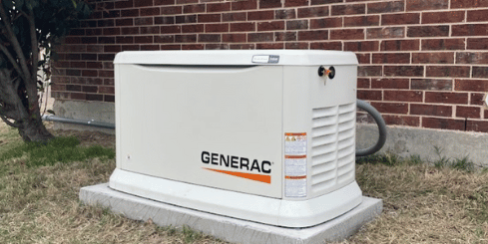
Generator Installations by Trusted Electricians, Ready Fast
A single power outage can turn a busy day into a costly scramble—especially for businesses and homeowners in Wylie, TX. In North Texas, storms and summer heat can drive demand spikes, stress utility infrastructure, and trigger outages that last longer than people expect. And when the lights go out, critical equipment usually follows: refrigerators warm up, point-of-sale systems reboot, home offices lose connectivity, and security cameras stop recording.
If you’ve ever thought, “We’ll deal with it later,” you’re not alone. But the real question is whether you want to make that decision during an emergency—or plan it when you can choose the right generator size, the right transfer method, and the right electrical safety upgrades.
This guide explains what to expect from professional generator installations in Wylie, TX, including wiring best practices, load planning, and code-focused installation. By the end, you’ll know how the process works, what to ask your electrician, and how to get a setup that’s ready when you need it most.
Key Insight: A reliable backup power system depends as much on correct electrical wiring and safety devices as it does on the generator itself. Professional installation helps protect your home or business and reduces the risk of damage during outages.
Generator Wiring Plans That Prevent “Surprises” During Outages
Before any generator gets hooked up, a good electrician designs the electrical wiring plan around how you actually use power. That means reviewing your building’s loads, checking your existing panel capacity, and planning for safe switching between utility power and generator power.
In Wylie, TX, many homeowners and small businesses rely heavily on air conditioning during summer heat events. That load pattern matters. A generator that runs “some things” during an outage may still leave you without comfort or business-critical systems if it’s undersized—or if the wiring and transfer setup can’t handle inrush current from motors.
A common real-world example: a Wylie family installed a portable generator on their own, then used extension cords to power a few outlets. It worked—until they tried to run a window unit and a microwave at the same time. The voltage dipped, the refrigerator cycled off, and the generator overheated. The underlying issue wasn’t just the generator; it was the lack of a proper transfer strategy and dedicated circuits.
Professional generator installations typically follow a structured approach:
- Confirm the transfer method (manual or automatic) and switching device type
- Verify safe routing and protection for generator wiring
- Plan for dedicated circuit installation for key loads
- Coordinate with existing circuits and breakers to avoid overloads
If your electrical system needs attention first, you may also benefit from Electric Panel Upgrades to support modern load requirements and improve safety margins.
“Backup power is only as reliable as the wiring and transfer setup. The generator can be perfect, but a poor connection or mismatched loads can still leave you in the dark.” — JME Electric Group, Electrical Safety Technician
Transfer Switches, Breaker Compatibility, and Safer Switching
A generator doesn’t just “plug into” a home. Safe operation depends on preventing backfeed—when generator power flows into the utility lines. That risk is dangerous for utility workers and can damage your electrical system. This is why professional installs center on transfer switches and compatible breaker setups.
In many Wylie installations, electricians also address the quality and condition of existing breakers. For example, worn components or incorrectly matched breakers can reduce reliability during high-demand moments. Upgrading protections such as Circuit Breaker Replacement (when needed) helps align the system with the electrical service upgrade plan.
Here’s a practical comparison that helps explain the difference between DIY-style connections and a professionally designed setup:
| Approach | What It Does | Main Risk | Typical Best Use |
|---|---|---|---|
| Extension cords + portable generator | Powers a few outlets directly | Overload, trip hazards, inconsistent performance | Temporary/short outages |
| Generator with proper transfer switch | Switches power sources safely | Miswiring/backfeed if incorrect | Home or business backup |
| Whole-home setup with coordinated breakers | Powers selected or full loads via engineered plan | Undersizing/incorrect load mapping | Reliability-focused systems |
A Wylie business owner once told us they wanted “whole-home backup” but only had a rough idea of their needs. After an electrical load review, the team recommended a transfer method that prioritized refrigeration, office outlets, and lighting—then left nonessential loads on standby. During a later storm outage, the business stayed operational longer than planned, and the owner didn’t have to guess what would work.
This kind of reliability often pairs with other safety-focused electrical upgrades, including Whole Home Surge Protection. Power events can damage electronics even if the outage is brief, so surge protection becomes a smart complement.
“The safest generator system is the one that’s designed to switch correctly and protect your equipment before, during, and after an outage.” — Master Electrician, JME Electric Group
Sizing the Generator for Wylie Homes and Texas Summer Loads
Generator sizing is where many installations either succeed beautifully or disappoint. The right generator doesn’t just match your peak wattage—it accounts for startup surges from motors and compressors, plus the reality that loads change hour to hour.
In Wylie, TX, summer cooling loads often dominate calculations. Air conditioning systems can draw significantly more power at startup than they do once running. If your generator is sized only for steady-state load, it may start normally but fail to keep running when the HVAC kicks on.
Consider this scenario we’ve seen repeatedly in North Texas: a homeowner chooses a generator based on a label reading “X watts.” In practice, the system needs to handle:
- HVAC compressor startup
- Ceiling fan and exhaust fan loads
- Refrigerator motor cycles
- Microwave and kitchen appliances
- Lighting and entertainment equipment
To build a dependable plan, electricians usually perform an electrical load assessment and identify which circuits should be backed up. This is also where dedicated circuit installation comes in. Instead of trying to run everything, the system can support critical circuits with stable wiring and appropriate protection.
If your electrical system includes older wiring types, it may also require review. For instance, some homes have aging wiring that can complicate new generator wiring and increase heat buildup risk. Addressing wiring concerns improves both generator reliability and overall safety. For related work, homeowners sometimes explore Electrical Wiring updates as part of the broader plan.
Quick Local Reality Check: Cost vs. Risk in Wylie
Even if two generators have similar ratings, the final cost can vary based on wiring complexity, panel modifications, and transfer switch type. In Wylie, where many homes and properties have different panel layouts and service conditions, a proper assessment prevents expensive rework.
In general, the “cheapest” choice can become costly if it requires later corrections to comply with electrical code corrections or if it can’t reliably start the loads you care about. A professionally planned installation typically reduces return visits and helps protect your investment.
Preparing Your Electrical System: Panels, Subpanels, and Safety Inspections
A generator installation often reveals what your electrical system already needs. That’s not a negative—it’s a chance to improve safety and performance before an outage happens.
Many projects begin with an electrical service evaluation:
- Confirm panel capacity and breaker condition
- Check for safe conductor sizing and routing
- Identify whether a subpanel installation is needed for dedicated loads
- Perform electrical safety inspections to verify code compliance
If your home or business has multiple critical areas, a subpanel can simplify how backup power gets distributed. For example, some clients want backup power for kitchen refrigeration and office outlets while leaving garage loads and outdoor circuits off. A subpanel helps keep the system organized and avoids overloading the transfer setup.
We also see situations where electrical troubleshooting turns up issues that could affect generator reliability—loose connections, worn breakers, or wiring that doesn’t meet modern safety standards. That’s why professional electricians treat generator installs as part of a bigger electrical repairs and maintenance strategy, not a standalone add-on.
For clients who want to reduce risks beyond outages, adding Home Rewiring and Surge Protection can help protect sensitive electronics like computers, networking equipment, and smart home systems.
“Generator installs are a perfect time to confirm your system is healthy. If there’s an electrical safety issue today, it can become a reliability issue during an outage.” — JME Electric Group, Field Supervisor
Indoor and Outdoor Lighting Continuity During Outages
When power fails, lighting becomes more than convenience—it’s safety. People need to see entrances, hallways, and driveways. Businesses need to maintain visibility for employees, customers, and security systems.
Professional generator planning often includes deciding which lighting circuits should remain powered. This is especially relevant for:
- Outdoor lighting installation along entry paths
- Security lighting installation around doors and cameras
- Landscape lighting installation for clear perimeter visibility
- Emergency lighting installation for safe evacuation routes
In some Wylie homes, the lighting system includes recessed lighting and LED lighting installation. Those fixtures are efficient, but they still depend on stable power quality. A properly engineered generator wiring plan helps reduce flicker and protects electronics from voltage swings.
One common case involved a Wylie homeowner who wanted to keep porch and driveway lighting on during storms. The original plan included only a few interior outlets. After an electrical walkthrough, the electrician identified that the outdoor lighting circuit had to be tied into the backup plan through the right switching method. The result: lights stayed on during the next outage, and the homeowner could safely manage the situation without flashlights.
Results You Can Expect: Reliability, Code Compliance, and Peace of Mind
A high-quality generator installation shows up in how the system performs when it counts. Instead of guessing, you’ll have a backup setup that starts safely, runs smoothly, and connects correctly to your home or business power system.
When installations follow best practices, results typically include:
- Reduced risk of backfeed and electrical hazards
- Better load management and more consistent performance
- Clear labeling and easier operation during outages
- Improved protection for electronics through surge protection integration
In Wylie, many customers also appreciate that professional teams help coordinate the installation so it doesn’t drag out. “Ready fast” isn’t just about speed—it’s about doing the right work the first time: correct routing, correct switching devices, and a plan that aligns with electrical code.
If you want additional assurance, ask your electrician about electrical code corrections they’ve made in past projects and how they verify compliance. The goal is a system you can trust, not one that requires constant babysitting.
What This Means for Businesses in Wylie, TX
For businesses in Wylie, TX, power reliability directly impacts operations. Even short outages can disrupt customer communication, payment systems, and safety systems. In summer, when temperatures rise and demand increases, outages can last longer and affect HVAC performance—especially in offices and retail spaces that rely on cooling to protect staff and products.
A generator installation can reduce downtime when you plan it around your real electrical needs. Instead of powering random outlets, a professional design helps you select the circuits that keep you running: refrigeration, lighting, point-of-sale systems, internet connectivity, and essential outlets. That also improves accountability during emergencies because your backup system behaves predictably.
Businesses also benefit from integrated safety planning. A properly installed transfer method and coordinated breakers reduce risks during switching. And when you include Electrical Wiring review and Whole Home Surge Protection, you protect not just against outages, but against power quality issues that can damage equipment even after the lights come back.
If you’re evaluating backup power this season, don’t wait for the next storm to start planning. The best generator systems are engineered when you have time to assess loads, confirm code requirements, and choose the right setup for your building in Wylie.
Frequently Asked Questions
Q: How do I know whether I need an automatic transfer switch or a manual one?
A: The decision usually comes down to convenience, risk tolerance, and how quickly you need critical loads running. Manual transfer switches can be simpler and may cost less upfront, but someone must switch over during an outage. Automatic systems detect power loss and switch automatically, which is valuable for businesses, medical needs, security systems, and operations that can’t wait. A professional electrician will also evaluate your existing panel, breaker condition, and available space to ensure compatibility. They’ll confirm the transfer method supports safe switching and proper protection for your generator wiring.
Q: Can I back up my entire home, or should I prioritize certain circuits?
A: Many systems are designed to back up essential circuits rather than every load, especially when generator size and cost are factors. In Wylie, homes often prioritize HVAC, refrigeration, lighting, and outlets for communication devices. Prioritizing also helps prevent overload during startup surges from motors and compressors. Your electrician will typically perform electrical troubleshooting and load planning to recommend which circuits should be connected through the transfer setup. If you want broader coverage, options like additional switching strategies or coordinated panel design can help—often involving a subpanel installation.
Q: What’s the difference between GFCI outlet installation and AFCI breaker installation for backup planning?
A: GFCI outlet installation protects against shock hazards, especially in damp or outdoor areas, while AFCI breaker installation helps reduce risks from arc faults. Neither directly “powers” your generator, but both affect how your circuits are protected during normal operation and after switching. If you’re adding or modifying circuits for generator backup, it’s a good time to ensure those safety devices are correct and code-compliant. Your electrician will verify that protected circuits remain properly protected when they’re tied into the backup system.
Q: Do I need electrical panel upgrades before installing a generator?
A: Often, yes—at least in the sense of verifying capacity, breaker condition, and panel layout. Generator installations may require additional breaker space, proper conductor sizing, and a safe transfer path. If your panel is undersized, aging, or has issues like corrosion or mismatched components, an electrician may recommend electrical service upgrades or Electric Panel Upgrades as part of the project. This also improves overall safety and reliability, not just generator performance.
Q: How does whole home surge protection help if my power goes out?
A: Outages and power restoration events can still expose electronics to voltage spikes and surges. Even if your generator runs correctly, devices like TVs, computers, and networking equipment can be sensitive to power quality changes. Whole home surge protection is designed to reduce damage risk during abnormal voltage events. Many customers pair backup power with Whole Home Surge Protection to create a more complete protection strategy. This is especially helpful for businesses with servers, POS systems, and security equipment.
Q: Will my existing wiring handle new generator loads?
A: Sometimes, but it depends on wiring condition, conductor size, and whether circuits are set up for the loads you want to back up. If your home has older wiring or you’re planning to add dedicated circuit installation for critical equipment, an electrician should review wiring integrity and heat exposure risk. This may involve electrical repairs or even home rewiring in certain cases. A professional evaluation helps avoid a common problem: installing a generator that “works” but creates unsafe conditions or performance issues because the underlying wiring isn’t ready.
Q: What should I ask during a generator installation estimate in Wylie?
A: Ask how they’ll size your generator for real loads, what transfer method they recommend, and which circuits they plan to back up. Also ask about electrical code corrections, wiring routing, breaker compatibility, and whether they’ll perform electrical safety inspections before finalizing the install. If you have specific needs—like outdoor lighting, ceiling fan installation, or EV charger backup—mention them early so the plan can account for those loads. A clear, written scope is a sign of a professional process.
Ready to Get Started?
If you’re planning for outages in Wylie, TX, the best time to act is before the storm season hits hard. A well-designed generator installation takes careful load planning, safe switching, and electrical wiring that matches your home or business needs. When you schedule now, you can choose the right system, confirm panel compatibility, and address any safety items—without the pressure of an active outage.
Next steps are simple:
- Schedule an on-site evaluation to review your loads and electrical panel condition
- Decide which circuits you want on backup (critical first)
- Confirm the transfer method and wiring approach
- Get a clear timeline and scope for installation
JME Electric Group serves Wylie and surrounding areas with experienced electricians and a safety-first mindset. If you’re looking for generator installations ready fast, we’ll help you move from “we should do this” to a backup system you can trust.
About JME Electric Group
JME Electric Group is an electrical contractor based in Wylie, TX, focused on reliable installations and code-conscious electrical work. Our team helps homeowners and businesses with generator installations, electrical wiring, panel improvements, and safety upgrades designed for real-world performance. With a local presence and hands-on field experience, we prioritize careful planning, clear communication, and dependable results. Learn more at JME Electric Group.