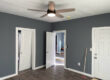

Ceiling fans used to be purely practical: a way to move air around and make a room feel less stuffy. Today, they play a much bigger role in how your home looks, feels, and even how much you spend on utilities each month. When you choose the right fan and have it professionally installed, you are not just adding a fixture; you are reshaping the comfort, style, and efficiency of your space. For homeowners in Wylie, TX, fan installation has become one of the smartest upgrades to elevate both everyday living and long‑term home value.
Think about the rooms where you spend the most time: your living room, bedrooms, kitchen, or a covered patio. Each of these areas has its own personality and comfort needs. A properly selected and professionally installed fan can make a bright room cozier, a hot upstairs bedroom more bearable in summer, and an outdoor living space usable for more months of the year. With the combination of heat, humidity, and seasonal storms in North Texas, the right fan installation from a qualified electrician like JME Electric Group is not a luxury; it is a strategic improvement that changes how your space functions day in and day out.
Beyond comfort, fan installation is one of the most cost‑effective ways to enhance your home’s design. Modern fans come in an incredible range of styles, from sleek contemporary blades to rustic wood designs and low‑profile flush mounts that blend seamlessly into the ceiling. When installed correctly, they become a focal point that ties your décor together, while quietly reducing your reliance on air conditioning and improving overall airflow. In other words, you are upgrading both form and function at the same time.
Why Fans Transform A Room
A well‑chosen ceiling fan does far more than just spin overhead. It changes how a room feels on a fundamental level. The gentle breeze can make a space feel up to 4–8 degrees cooler, which means your family is more comfortable at higher thermostat settings. In a climate like Wylie, TX, where summers can be relentless, that cooling effect can significantly reduce how often your air conditioner has to work at full blast.
Fans also add a visual anchor to a room. In large, open‑concept spaces, a fan helps define zones: the seating area, the dining space, or the reading corner. In bedrooms, it becomes a central design element that can either fade into the background with a minimalist look or make a statement with bold finishes and lighting. When JME Electric Group installs a fan, they are not just connecting wires; they are helping you create a deliberate layout and atmosphere that supports how you actually live in the space.
Another way fans transform a room is by improving air quality and circulation. Stagnant air can trap odors, humidity, and even airborne particles. By keeping air moving, fans help distribute conditioned air from your HVAC system more evenly, reducing hot and cold spots and making every corner of the room feel more consistent. Over time, that improved circulation can lessen the strain on your heating and cooling equipment, extending its lifespan and making your home more efficient overall.
Comfort And Efficiency In Texas Heat
North Texas weather is anything but predictable. One week might bring triple‑digit heat, and the next could cool down with a surprise storm. Fan installation is one of the most practical ways to adapt your home to these swings without constantly tinkering with the thermostat. A ceiling fan does not actually lower the room’s temperature, but the wind‑chill effect makes your skin feel cooler, which means you can raise the thermostat by several degrees without losing comfort.
This small adjustment matters. Each degree you raise your thermostat can translate to noticeable savings on your electric bill, especially during long Wylie summers when air conditioners run for hours at a time. When JME Electric Group installs fans in key areas like living rooms, bedrooms, and game rooms, many homeowners find they can rely less on AC and still feel just as comfortable. Over the course of a year, that can add up to a meaningful reduction in energy costs.
Fans are also a powerful ally in the winter, which many people overlook. Most modern fans have a reversible motor. In summer, blades spin counterclockwise to push air downward and create a cooling breeze. In winter, switching the fan to clockwise at a low speed pulls cool air up and gently pushes warm air down the walls and into the living space. This redistributes heat that naturally rises to the ceiling, helping your home feel warmer without cranking up the furnace. JME Electric Group can ensure the fan is installed at the correct height and orientation to make this seasonal versatility truly effective.
Choosing The Right Fan For Each Space
Selecting a fan is not as simple as picking something attractive from a catalog. Room size, ceiling height, existing wiring, and even how you use the space all influence what will work best. For example, a small bedroom in Wylie might be well served by a 44‑inch fan with a quiet motor and integrated light kit, while a large living room with vaulted ceilings may require a 60‑inch or larger fan with a downrod to position it at the optimal height.
Ceiling height plays a crucial role in both safety and performance. Fans should typically be at least 7 feet above the floor, ideally around 8–9 feet for maximum comfort. In older homes or rooms with lower ceilings, a low‑profile or “hugger” fan is often the best choice to maintain safe clearance while still delivering strong airflow. JME Electric Group evaluates these dimensions during an on‑site visit to recommend fans that fit the space and comply with electrical and building codes.
Style and features are equally important. Some homeowners want a fan that doubles as a primary light source, with dimmable LED fixtures and multiple color temperatures. Others prefer a fan without lights that blends into a minimalist ceiling design. Remote controls, wall‑mounted controls, smart home integration, and multiple speed settings can also influence your choice. A professional electrician can walk you through what each feature means in practice, ensuring that the fan you select truly supports your daily routines rather than just looking good in photos.
Why Professional Installation Matters
Installing a ceiling fan might look straightforward, but there is a lot going on behind the drywall and above the ceiling that homeowners never see. The fan’s weight, motion, and electrical requirements all have to be accounted for. A typical light fixture box is often not rated to support the weight and vibration of a ceiling fan, especially larger models. Mounting a fan to the wrong type of box or directly to drywall can lead to wobbling, noise, or, in the worst cases, the fan working loose over time.
Professional electricians like JME Electric Group know how to evaluate the existing junction box and, if needed, replace it with a fan‑rated box securely anchored to the framing. This ensures the fan is safely supported, even at high speeds. They also verify that the wiring is properly sized and grounded, that connections are secure, and that any wall switches or dimmers are compatible with the fan and light kit. This level of detail is essential for long‑term reliability and safety.
Another advantage of professional installation is code compliance and warranty protection. Many fan manufacturers require licensed installation for their warranties to remain valid. In addition, the National Electrical Code and local Wylie regulations specify how circuits, boxes, and supports must be configured. JME Electric Group stays current with these requirements, so you are not left guessing whether your installation meets standards. That peace of mind is worth far more than the cost of a DIY attempt that might need to be redone later.
Enhancing Indoor And Outdoor Living
Fan installation is not limited to living rooms and bedrooms. In Wylie, outdoor living spaces like covered patios, porches, and pergolas are prime candidates for fans. An outdoor‑rated ceiling fan can make a summer evening on the patio far more enjoyable by dispersing heat and deterring insects. However, outdoor fans must be specifically rated for damp or wet locations to withstand moisture, humidity, and temperature changes.
JME Electric Group can help you distinguish between “damp‑rated” and “wet‑rated” fans and select the right model for your specific area. A fan under a fully covered porch might only need a damp rating, while one exposed to blowing rain or heavy condensation should be wet‑rated for safety and longevity. Proper mounting, sealed connections, and corrosion‑resistant hardware are critical details that a professional installer will prioritize in these environments.
Inside the home, fans can be strategically placed to complement your HVAC system. For instance, installing a fan at the top of a stairwell can help move conditioned air between floors, reducing temperature differences. Placing fans in home offices or media rooms can allow you to stay comfortable without overcooling the entire house. By looking at your home as a complete system rather than a collection of isolated rooms, JME Electric Group can design a fan layout that truly elevates how your entire space functions.
Integrating Fans With Modern Controls
Today’s ceiling fans can do much more than turn on and off with a pull chain. Many models integrate with wall controls, handheld remotes, and smart home platforms. In a busy household, being able to adjust fan speed or lighting from a wall switch or smartphone is more than a convenience; it helps you use the fan more consistently and efficiently.
Professional fan installation ensures that these control options are wired and configured correctly. If you want separate switches for the fan and light, that may require additional conductors in the wall or reconfiguring an existing circuit. If you plan to integrate the fan with smart assistants or automation routines, the electrician can confirm that your home’s wiring and Wi‑Fi environment support those features without interference or nuisance tripping.
In homes throughout Wylie, smart controls are becoming especially popular in bedrooms and main living areas. Imagine setting a bedtime routine where your lights dim, the fan drops to a quiet speed, and your thermostat adjusts slightly, all working together. JME Electric Group can help you plan these integrations so the fan becomes a seamless part of your broader home technology, not an isolated device you forget to use.
Frequently Asked Questions
How do I know what size ceiling fan I need for my room? Fan size is primarily based on room dimensions and ceiling height. Smaller rooms up to about 100 square feet typically do well with a 36–44 inch fan, while larger spaces may need 52–60 inches or more. High or vaulted ceilings often require a downrod to position the fan at the ideal height of around 8–9 feet above the floor. JME Electric Group can measure your room in Wylie, TX, evaluate the ceiling structure, and recommend a fan size that delivers strong airflow without overwhelming the space visually.
Can I replace an existing light fixture with a ceiling fan? In many cases, yes, but the existing electrical box must be rated to support a fan’s weight and motion. Standard light fixture boxes are often not strong enough for this purpose. A licensed electrician will inspect the current box, the ceiling framing, and the wiring to determine if upgrades are needed. JME Electric Group frequently replaces non‑rated boxes with fan‑rated ones, ensures proper bracing, and reconfigures switches so you can control the fan and light safely and conveniently.
Are ceiling fans really energy efficient if I already have air conditioning? Yes. Ceiling fans do not reduce the actual air temperature, but they create a wind‑chill effect that makes you feel cooler. This allows you to raise your thermostat setting by several degrees without losing comfort, which can significantly reduce AC run time. In Wylie’s long cooling season, that can mean substantial energy savings. Fans use far less electricity than an air conditioner, so using them together strategically is one of the most efficient ways to keep your home comfortable.
What is the difference between indoor, damp‑rated, and wet‑rated fans? Indoor fans are designed for dry, conditioned spaces and should not be exposed to moisture. Damp‑rated fans can handle humidity and occasional condensation, making them suitable for covered patios, bathrooms, or laundry rooms where they are protected from direct water contact. Wet‑rated fans are built to withstand direct exposure to rain and water, ideal for open porches or pergolas. JME Electric Group helps homeowners select the correct rating based on the exact location and exposure so the fan remains safe and durable over time.
Why should I hire a licensed electrician instead of installing the fan myself? Ceiling fan installation involves more than connecting a few wires. The fan must be securely supported, correctly wired, and compliant with electrical codes to operate safely and quietly. DIY installations sometimes overlook critical details like box ratings, proper grounding, or compatible switches, which can lead to wobbling, noise, or even hazardous conditions. A licensed electrician from JME Electric Group brings the expertise, tools, and code knowledge to do the job right the first time, protecting both your home and your investment. If you are comparing options among Electrical companies, choosing a team that understands both safety and design will make a noticeable difference in how your new fan performs.