
By late afternoon in a Texas summer, many Wylie homeowners know the routine: the air conditioner hums nonstop, the thermostat is set low, but the house still feels a little stuffy and uneven. One room is chilly, another feels warm, and the electric bill keeps creeping higher. Then someone flips on a properly installed ceiling fan, and the entire space changes. Air begins to move, the room feels cooler, and suddenly you can bump the thermostat up a few degrees without sacrificing comfort. That simple difference captures the power of combining comfort and efficiency through smart fan installation.
Fans are often treated as decorative afterthoughts, but in reality they are one of the most practical tools for managing comfort and energy use in a Wylie, TX home. When they’re installed correctly, placed strategically, and wired safely, fans work with your HVAC system instead of against it. Companies like JME Electric Group see this every day: a well-chosen, professionally installed fan can transform a room’s feel, reduce strain on your air conditioner, and help keep energy costs under control in a climate that demands cooling for a large portion of the year.
Fan installation is not just about hanging a fixture from the ceiling. It’s about understanding air circulation, room size, electrical safety, and how all of that ties into your lifestyle. Whether you’re outfitting a new build in Wylie or updating an older home that was never designed with modern fans in mind, the right installation strategy can deliver both immediate comfort and long-term efficiency gains.
Why Fans Matter In Wylie
Wylie sits in a part of Texas where hot, humid weather is the norm for much of the year, which means your cooling system is constantly under pressure. Central air conditioning is essential, but it is also one of the biggest energy consumers in your home. Fans offer a simple but powerful way to make that cooling more effective. By creating a gentle breeze across your skin, a fan can make a room feel 4–8 degrees cooler than it actually is, even though it doesn’t change the air temperature. This “wind chill” effect is exactly why many homeowners can raise the thermostat and still feel perfectly comfortable.
Beyond the immediate comfort, this temperature offset has a direct impact on your utility bills. Every degree you raise the thermostat can translate into measurable savings over the course of a long summer. When JME Electric Group installs ceiling fans in key rooms throughout a Wylie home, the goal is to help the air conditioning system work smarter, not harder. Instead of the AC running constantly to chase a low temperature setting, fans help circulate conditioned air efficiently so it feels cooler where you actually live and relax.
Fans are also incredibly versatile. They are not just for living rooms and bedrooms. Properly rated fans can be installed on covered patios, in garages, in upstairs game rooms, and in home offices. In each of these spaces, they contribute to comfort differently: on a patio, they might keep mosquitoes and hot air at bay; in a home office, they can keep the air fresh without making video calls look windy. This versatility is why more Wylie homeowners are turning to professional electricians to design a fan layout that supports both comfort and efficiency across the entire property.
Choosing The Right Fan
Fan installation starts long before any wires are connected. It begins with selecting the right fan for the space. Room size is one of the most important factors. A small fan in a large living room will have to run at its highest speed to move enough air, which can create noise and still leave corners of the room stagnant. On the other hand, an oversized fan in a small bedroom can feel overpowering and may not look proportionate to the room. JME Electric Group often helps homeowners in Wylie match fan diameters to room dimensions so that airflow is balanced and effective.
Ceiling height is another critical consideration. In homes with standard 8-foot ceilings, fans are usually installed flush or with a short downrod to maintain safe clearance above people’s heads. In homes with vaulted or high ceilings, longer downrods may be needed to bring the fan down to the optimal height for air circulation, typically around 8–9 feet from the floor. This is especially important in two-story entryways and great rooms common in newer Wylie developments, where a fan hung too high can look impressive but fail to move air where you need it.
Motor quality, blade pitch, and energy efficiency ratings also play a major role. Fans with more efficient motors and properly angled blades move more air with less electricity. Many modern fans carry ENERGY STAR ratings, signaling that they meet strict efficiency standards. While these models can cost a bit more upfront, their lower energy use and better performance pay off over time. A professional electrician can point out the differences between budget fixtures and higher-quality fans that will run quietly, last longer, and contribute more meaningfully to your comfort and energy savings.
Proper Placement For Maximum Comfort
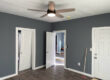
Even the best fan will underperform if it’s installed in the wrong spot. Ideal placement takes into account room layout, furniture arrangement, and how people actually use the space. In a living room, for example, the fan should typically be centered over the main seating area rather than strictly in the geometric center of the room. This ensures that the people spending time there actually feel the benefit of the moving air. In bedrooms, centering the fan over the bed is usually the most effective approach for nighttime comfort.
Multiple fans may be appropriate for very large or open-concept spaces. A long, combined living and dining area might need two fans spaced evenly to avoid dead zones where air feels stagnant. Similarly, a large covered patio in Wylie could benefit from two or more damp-rated fans instead of a single oversized unit that struggles to move air across the entire area. JME Electric Group often evaluates the whole room, including ceiling beams, lighting locations, and existing wiring, to recommend the best fan layout.
Outdoor and semi-outdoor areas require special attention. Only fans rated for damp or wet locations should be used on porches, patios, or under pergolas. These fixtures are designed to withstand humidity, occasional splashes, and temperature swings. Placement must also consider prevailing wind, sun exposure, and how the space is furnished. In Wylie’s climate, where evenings can remain warm but breezy, a well-placed outdoor fan can extend the usability of your patio or deck by making it feel cooler and more inviting even in peak summer.
Wiring, Safety, And Local Codes
From an electrical standpoint, fan installation is more complex than simply swapping out a light fixture. Ceiling fans are heavier, create continuous motion, and place different stresses on the electrical box and the ceiling structure. This is where professional installation becomes essential. A proper fan-rated junction box must be securely attached to framing capable of supporting the fan’s weight and motion. Using a standard light fixture box is unsafe and can lead to loosening over time, wobbling, or even failure.
In Wylie, TX, fan installations must follow the National Electrical Code (NEC) as well as any local amendments. This includes correct wire sizing, proper grounding, and appropriate overcurrent protection. Dual-switch setups, where the fan and light are controlled separately, require additional wiring and careful attention to connections. JME Electric Group electricians are trained to handle these details, ensuring that the installation is not only functional but code-compliant and safe for long-term use.
Safety extends beyond structural support and code compliance. Modern fans often incorporate remote controls, smart home integrations, and LED lighting modules. These features can require specific wiring configurations or additional components like receivers installed in the fan canopy. Incorrect installation can lead to nuisance issues like flickering lights, intermittent operation, or interference with other devices. A qualified electrician can integrate these technologies cleanly, label switches properly, and ensure that everything operates reliably from day one.
Boosting Energy Efficiency With Smart Controls
The true efficiency advantage of fans emerges when they are used thoughtfully alongside your HVAC system. One of the simplest yet most overlooked features is the fan’s directional switch. In summer, fans should spin counterclockwise (when viewed from below) to push air downward and create that cooling breeze. In winter, reversing the direction to clockwise at a low speed helps gently pull cool air up and push warm air down along the walls, redistributing heat that tends to collect near the ceiling. This seasonal adjustment can improve comfort and allow more stable thermostat settings year-round.
Wall controls, dimmers for integrated lights, and programmable timers add another layer of efficiency. Instead of leaving fans running in unoccupied rooms, timers can automatically shut them off after a set interval. Smart switches and Wi-Fi–enabled fans allow you to control settings from your phone or integrate them with home automation systems. For example, you might program bedroom fans in a Wylie home to turn on 30 minutes before bedtime during the summer, ensuring a comfortable sleeping environment without running them all day.
When JME Electric Group installs new fans, they often discuss usage habits with homeowners to recommend the right control options. Some families prefer simple pull chains and a single wall switch, while others want full smart-home integration. Aligning the control method with your routines makes it more likely that you’ll use fans in the most efficient way: turning them off when you leave, adjusting speeds to match the weather, and coordinating with your thermostat settings instead of working against them.
Professional Installation Vs. DIY
Many homeowners initially view fan installation as a do-it-yourself weekend project. While some straightforward replacements can be DIY-friendly for experienced individuals, the reality is that numerous installations in Wylie involve complications: no existing ceiling box where you want the fan, older wiring that doesn’t meet current code, or ceilings that are vaulted, angled, or difficult to access. In these situations, a “simple” project can quickly turn into a frustrating and potentially unsafe endeavor.
Professional electricians bring specialized tools and knowledge that make a big difference. They can assess whether the existing box is fan-rated, verify that circuits are properly sized, and ensure that any new wiring is routed and secured correctly. They also understand load calculations, which matter when you’re adding several fans to a single circuit in a home that already has multiple high-demand appliances. These factors help prevent tripped breakers, overheating, or long-term reliability issues.
There is also the matter of long-term peace of mind. A fan that wobbles, makes noise, or has flickering lights is more than just an annoyance; it can be a sign that something is not properly secured or wired. When JME Electric Group completes a fan installation in Wylie, they test the fixture at various speeds, check balance, confirm proper operation of switches and remotes, and make adjustments on the spot. That level of attention helps ensure that the fan not only looks good on day one but continues to operate safely and quietly for years.
Frequently Asked Questions
How much can ceiling fans really reduce my cooling costs? While exact savings vary from home to home, many Wylie homeowners can raise their thermostat by 2–4 degrees when using ceiling fans without feeling less comfortable. Since each degree of thermostat adjustment can reduce cooling costs by several percent over a season, the combined effect can be significant. Fans themselves use far less electricity than air conditioners, so shifting some of the comfort workload to fans is almost always more efficient. The key is to turn fans off in empty rooms, because they cool people, not the air itself.
Can I replace an existing light fixture with a fan using the same box? Not always. Many standard light fixture boxes are not rated to support the weight and motion of a ceiling fan. A professional electrician will inspect the existing box to determine whether it is fan-rated and properly secured to a joist or an approved support brace. If it is not, they will install a new fan-rated box and any necessary bracing. This step is crucial for safety and to prevent wobbling or eventual failure of the installation.
Do I need a special type of fan for outdoor or patio areas? Yes. For covered patios, porches, or other semi-outdoor spaces in Wylie, you should use a fan rated for damp locations at a minimum, and for fully exposed areas, a wet-rated fan is recommended. These fans are designed to handle humidity, moisture, and temperature changes without damage. Using an indoor-only fan outdoors can lead to rust, electrical issues, and premature failure. A licensed electrician can help you select fixtures that are appropriate for the specific conditions of your outdoor space.
Is it worth paying extra for an ENERGY STAR or high-efficiency fan? In many cases, it is. ENERGY STAR–rated fans are engineered to move more air per watt of electricity and often include higher-quality motors and components. This means they typically run quieter, last longer, and consume less energy over time. For Wylie homeowners who use fans frequently throughout the long cooling season, the incremental cost of a more efficient fan can be offset by lower operating costs and reduced wear on the central air system, especially when combined with smart usage habits.
How do I find reliable electricians for fan installation near me? Look for licensed, insured electrical contractors with solid local reviews and experience in residential work. In Wylie, TX, JME Electric Group focuses on safe, code-compliant fan installations tailored to each home’s layout and needs. When searching online, you can start with terms like Electrical contractors near me and then check credentials, customer feedback, and whether they offer clear estimates. A reputable electrician will be willing to answer questions, explain options, and ensure you understand how to use your new fans for maximum comfort and efficiency.