
Most homeowners don’t actually get generator sizing or placement wrong first – they get the planning wrong. They wait until a storm is already in the forecast, the power grid is stressed, and every electrician in town is booked solid. By then, “generator installation tips” turn into “how fast can we patch something together,” which is the opposite of real future preparedness. True preparedness in Wylie, TX means treating a standby generator like any other critical system in your home: researched, designed, installed, and tested long before you need it.
Another common mistake is thinking of a generator as a single product you buy off the shelf, plug in, and forget. In reality, a dependable standby system is a combination of the right generator, the right fuel source, the right transfer switch, the right wiring, and the right installation practices. If even one of those is wrong or undersized, you can end up with flickering lights, tripped breakers, damaged appliances, or a generator that fails the very first time the wind really howls. JME Electric Group sees this often around Wylie and nearby communities: people invest in good equipment, but skip the planning and professional setup that makes it truly reliable.
If your goal is future preparedness, not just a temporary backup, you have to think about how your household or business will function for days, not just hours, without grid power. That means planning for comfort, safety, and continuity: keeping the fridge cold, the HVAC running, medical devices powered, and work-from-home setups online. The following sections walk through practical, real-world generator installation tips shaped by what actually happens during North Texas storms and long outages, and how a professional team like JME Electric Group can help you build a system that’s ready before the next blackout.
Clarify Your Backup Priorities
The first step most people skip is deciding what truly needs power during an outage. Instead, they think in vague terms like “run the whole house” or “keep everything on,” which often leads to overspending on a generator that is larger than necessary or, worse, guessing too small. Future preparedness starts with a clear, written list of must-have circuits and nice-to-have circuits. In Wylie, TX, that usually includes air conditioning or heating, refrigerators and zers, internet equipment, security systems, and crucial lighting.
Take time to walk room by room and list individual appliances and systems, not just outlets. Consider whether you need to run your full HVAC system or whether a single zone or smaller unit is enough to remain safe and comfortable. Think about medical equipment, powered recliners, garage door openers, well pumps, and sump pumps if you have them. If you run a business from home or manage critical data, include your networking gear, computers, and any small servers. This level of detail helps an electrician design a system that balances comfort, safety, and budget.
Once you have your list, an experienced electrician can translate it into actual electrical loads measured in watts or kilowatts. JME Electric Group often helps Wylie homeowners see where they can be smart instead of excessive: maybe you do not need the electric oven during an outage if you have a gas cooktop, or you can cycle heavy loads like water heaters rather than running everything at once. This planning phase is where you lock in realistic expectations about what your generator will do – and avoid disappointment later.
Size The Generator Correctly
Generator sizing is part science, part experience, and part understanding how you actually live. Too small and the generator will overload, trip, or struggle to start large motors. Too big and you will spend money unnecessarily and run the unit at low loads, which can cause its own maintenance issues over time. In areas like Wylie, where air conditioning is non-negotiable in summer, starting current for the compressor is one of the biggest factors in sizing.
A professional will look at both running watts (what appliances use once they are running) and starting watts (the surge many motors need to start). Central air conditioners, well pumps, and refrigerators can draw two to three times their running load for a brief moment at startup. JME Electric Group uses manufacturer specs and field experience to calculate these surges, then designs a generator system that can handle simultaneous starts or uses load management to stagger them.
There is also the question of whole-house versus essential-load coverage. Whole-house systems use an automatic transfer switch that can power the entire panel, often paired with a larger generator. Essential-load systems use a subpanel or smart load management to power only the circuits you identified as critical. For many Wylie homeowners, an essential-load system sized correctly offers strong protection at a much more manageable cost. The key is to let real calculations, not guesswork, drive the decision.
Choose A Reliable Fuel Source
Fuel is where long-term preparedness either works beautifully or falls apart. A generator without reliable fuel is just an expensive metal box in the backyard. In Wylie, TX and much of North Texas, the most common options for standby systems are natural gas and propane, with gasoline and diesel being more typical for portable units or specific commercial applications.
Natural gas has the advantage of an essentially unlimited fuel supply as long as gas service is intact. You do not have to store fuel on-site or worry about stale gasoline. However, natural gas lines need to be sized correctly, and your gas meter must be capable of supplying both your existing gas appliances and the new generator at full load. JME Electric Group coordinates with gas providers and uses proper sizing calculations to ensure the generator will not starve for fuel when the AC kicks on during a long outage.
Propane is a strong choice in areas without reliable natural gas or where you want true independence from the gas utility. It requires an on-site tank, which introduces additional placement, safety, and permitting considerations, but it also means you control your own fuel reserves. For serious preparedness, many property owners choose larger propane tanks so they can run for days or weeks if needed. A professional installer can help you estimate runtime based on generator size, load, and tank capacity so you know what to expect when the grid goes down.
Plan Safe, Code-Compliant Placement
Where you put the generator matters as much as which model you buy. Poor placement can cause exhaust hazards, noise issues with neighbors, or even code violations that prevent inspection approval. The goal is to place the unit where it is safe, accessible, and protected from the worst of the weather, without disturbing your daily life or your neighbors’ peace.
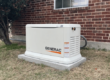
Standby generators must be located outdoors, away from windows, doors, vents, and other openings to prevent carbon monoxide from entering the home. Clearances from walls, eaves, and combustible materials are defined by both the manufacturer and local codes. In Wylie, TX, JME Electric Group works within city and county requirements while also considering real-world factors like prevailing winds, drainage patterns, and how you use your yard. A spot that floods easily or collects standing water is a poor choice, even if it meets basic distance requirements.
Noise is another practical concern. Modern residential generators are quieter than older models, but they still produce sound that can be noticeable during weekly exercise cycles or long runs. A thoughtful installer will help you pick a spot that minimizes noise in bedrooms and neighbor-facing sides of the property. They will also consider service access: technicians need room to open panels, change filters, and perform maintenance. Cramming a generator into a tight corner may look tidy but will cause headaches later.
Use The Right Transfer Switch And Wiring
A generator is only as good as the way it connects to your home’s electrical system. The transfer switch is the brain of the operation, safely shifting your home from utility power to generator power and back again. Using unsafe “backfeeding” methods through a dryer outlet or homemade interlocks is dangerous, illegal in many jurisdictions, and can send power back onto utility lines, endangering linemen working to restore service.
Automatic transfer switches (ATS) are the standard for permanent standby systems. When the power goes out, the ATS senses the loss, starts the generator, and transfers the load once the generator is stable. When utility power returns, it reverses the process. This hands-off operation is crucial for future preparedness because outages do not always happen when you are home or awake. JME Electric Group installs ATS units sized and configured for the specific generator and load plan, and ensures they meet local code and manufacturer requirements.
Proper wiring is not just about capacity; it is about organization and protection. Circuits chosen for backup may be moved to a dedicated subpanel, or smart load management modules may be installed to prioritize certain loads over others. Conduit, grounding, bonding, and surge protection must all be done correctly to protect both the generator and your home’s electronics. A professional installer will also label panels clearly so you know, at a glance, what is powered during an outage and what is not.
Test, Maintain, And Update Your System
A generator that has not been tested or maintained is not part of a preparedness plan; it is a gamble. Regular exercise runs, typically once a week or once a month depending on the system, keep the engine lubricated, charge the battery, and help you spot issues before a storm arrives. Many modern generators run self-tests automatically, but someone still needs to listen for unusual noises, check for leaks, and ensure there are no error codes or warning lights.
Annual or semiannual professional maintenance is essential for long-term reliability. This usually includes changing oil and filters, checking spark plugs, testing battery health, inspecting fuel and electrical connections, and verifying that the transfer switch operates correctly. In Wylie’s heat and dust, filters can clog faster and batteries can age more quickly, so a local electrician who understands these conditions is invaluable. JME Electric Group routinely builds maintenance schedules into the installation plan so homeowners know exactly what to expect.
Preparedness also means revisiting your system when your life changes. If you add a new HVAC system, build an addition, install a pool, or start running a home-based business with more equipment, your original generator sizing and load plan may no longer be ideal. Periodic reviews with an electrician help ensure your backup power strategy still fits your current needs. Think of your generator system as a living part of your home’s infrastructure, not a one-time purchase.
Frequently Asked Questions
How do I know what size generator I really need? The most accurate way is to have a licensed electrician evaluate your home’s loads, especially large appliances like HVAC units, water heaters, and well pumps. They will calculate both running and starting watts, then design either a whole-house or essential-load system based on your budget and priorities. In Wylie, TX, JME Electric Group uses on-site assessments and manufacturer data to recommend a size that balances comfort, safety, and cost, rather than guessing from generic online charts.
Can I install a standby generator myself? While some homeowners are handy, standby generator installation involves gas piping, electrical service connections, transfer switches, and code compliance. Mistakes can lead to carbon monoxide hazards, electrical fires, or dangerous backfeeding into utility lines. Permits and inspections are typically required in and around Wylie, and manufacturers often require professional installation to honor warranties. For safety, reliability, and insurance compliance, it is far better to let a qualified electrician handle the installation.
How long can a standby generator run during an outage? Runtime depends on the generator’s fuel source, size, and load. Natural gas units can run as long as gas service is available, making them ideal for extended outages. Propane systems are limited by tank size and fuel consumption; a properly sized tank can often support several days or more of intermittent use. A professional installer will estimate runtime based on your expected loads so you know how long you can operate before needing more fuel or adjusting usage.
Do I really need an automatic transfer switch? For true future preparedness, an automatic transfer switch is strongly recommended. It handles the changeover from utility to generator power safely and quickly, even if you are not home. Manual methods require you to be present, remember the correct sequence, and operate switches during what may be stressful conditions. An ATS reduces the risk of human error, protects utility workers, and gives you peace of mind that essential circuits will come on as soon as the generator is ready.
Can a generator power my business equipment too? Yes, many small businesses in and around Wylie rely on generators to keep critical operations running during outages, from point-of-sale systems to refrigeration and office equipment. The key is to plan for both residential and business loads if they share the same service, and to ensure the generator and transfer switch are sized and configured appropriately. For more complex or commercial setups, working with a team that understands both residential and commercial systems, such as a qualified Commercial electrician, will help you design a robust, code-compliant solution.