
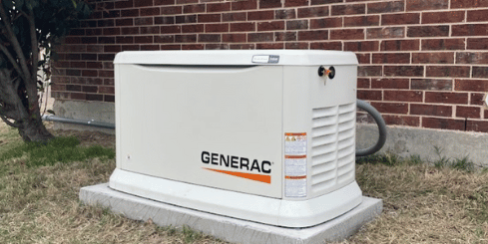
Stop guessing. If you are in Wylie, TX and you want your home or business ready when the power goes out, this guide walks you through what a safe generator installation actually involves, what to verify before work starts, and how to avoid common electrical problems that can leave you without the backup power you expected.
Last night’s storm left your lights flickering and your refrigerator warming up, and now you are thinking about a backup plan. Maybe you have a generator idea already, but you are not sure how it should be connected, which circuits it should run, or what needs to be updated so the system is safe.
In Wylie, TX, power interruptions can turn into a long day quickly. This guide helps you understand the key steps in generator installation, what questions to ask, how electrical wiring and panel changes affect performance, and what to watch for so you can get dependable backup power without surprises.
- Quick answer
- What to check first
- Main things customers should understand
- Why this matters in Wylie, TX
- Common mistakes to avoid
- Customer checklist
- Frequently asked questions

Quick Answer
A safe generator setup usually requires more than plugging in a cord. You typically need a proper transfer method (so utility power and generator power do not backfeed), correctly sized wiring, and a plan for which circuits will run during outages. Before scheduling generator installation, confirm your electrical panel condition and discuss your essential loads. A practical recommendation: have an electrician review your existing electrical system first, then design the wiring and transfer approach around the circuits you want powered in Wylie, TX.
What to Check First
Before anyone connects a generator, start with the condition of your home’s electrical system and your outage expectations. Generator wiring is only as reliable as the panel, breakers, and circuit wiring it ties into, so the first step is a careful assessment rather than jumping straight to connections.
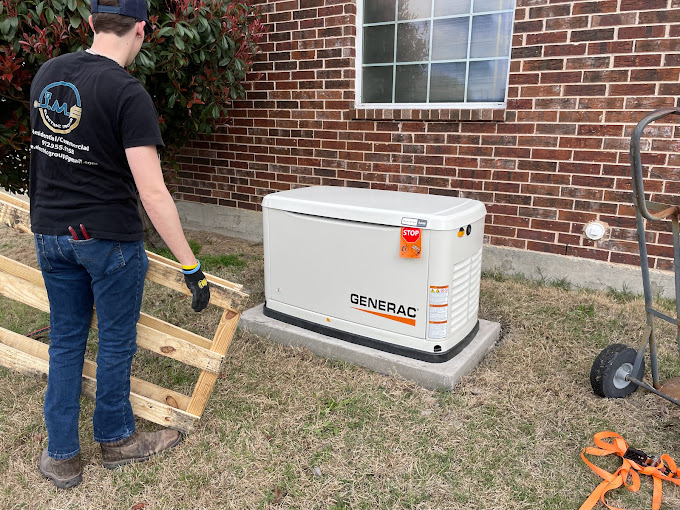
Know your “must-run” loads
List the essentials you want during an outage. Many customers focus on refrigeration, some lighting, internet equipment, and HVAC where applicable, then decide which additional circuits are optional.
Check panel readiness
Generator installation often depends on whether your electrical panel and breakers can support the necessary connections and circuit routing safely.
Confirm wiring and outlet locations
Whether you are powering certain circuits through a dedicated pathway or planning for specific outlet feeds, the routing and outlet placement should match your real-world usage during outages.
When electrical panels and circuit wiring are overdue for repairs or upgrades, generator performance can suffer. For example, an aging panel or damaged wiring can create nuisance trips or limit which circuits you can safely energize. If you have questions about your current setup, you can review related options like electrical panel upgrades and repairs with your electrician.
Main Things Customers Should Understand
Generator installation is about safety, electrical code compliance, and dependable operation under stress. The most reliable systems are designed around your loads, your panel, and a transfer method that prevents harmful interactions between utility power and generator power.
Professional observation: The biggest “it works until it does not” failures come from incorrect transfer setup or wiring that was not planned for how your circuits are actually laid out. A careful design phase helps avoid that.
1) Transfer method and backfeed prevention
The transfer approach is the heart of emergency generator installation. It should ensure that when the utility power is out, the generator can supply the selected circuits, and when utility power returns, the system returns to normal safely. Without a proper transfer method, backfeeding can occur, which is a serious safety risk for your household and utility workers.
2) Circuit selection for real outages
Not every circuit needs to run during an outage. Customers often choose a small set of dependable circuits to keep the generator load within safe operating limits. This planning also helps you avoid repeated overloads when multiple appliances start at the same time.
3) Electrical wiring quality and routing
Emergency generator wiring should be routed and protected with the same level of attention as other critical electrical work. If wiring is undersized, improperly protected, or routed through areas where it can be damaged, you can see voltage drops, overheating concerns, or breaker trips when you need power most.
4) Related electrical work that sometimes comes first
Depending on your current setup, you may need additional electrical service upgrades before generator installation. Many homeowners also benefit from reviewing home rewiring and surge protection if their system shows signs of age, instability, or repeated issues.
Practical recommendation: If you want the generator to cover multiple outage essentials, plan the wiring and circuit routing alongside the transfer setup. That planning reduces the chance that you later discover a “missing” circuit or an outlet that does not line up with where you need power.
| Decision point | What to consider | Why it matters during outages |
|---|---|---|
| Essential load list | Refrigeration, lighting, outlets, network equipment, and any HVAC strategy | Helps size the circuit set so the generator can run reliably |
| Panel and breaker condition | Whether repairs or generator installations and wiring require additional upgrades | Reduces nuisance trips and improves stability under load |
| Transfer method | How utility power and generator power are isolated and switched | Prevents backfeed and supports safer operation |
| Wiring and outlet placement | Whether you will power fixed circuits or rely on specific outlet feeds | Makes it easier to use the generator without improvising connections |
Why This Matters in Wylie, TX
In Wylie, TX, outages often follow severe weather and can last long enough to disrupt daily routines. Homes and small businesses frequently depend on refrigeration, lighting, and communication equipment to get through the day. A properly designed generator installation helps you keep those essentials running while avoiding unsafe workarounds that can be tempting during stressful outages.
One local detail we see: older homes with updated appliances still have electrical systems that may not match modern load expectations. When you add emergency power, the wiring and circuit strategy needs to account for what your household actually runs. If you are also planning for lighting upgrades, you can pair generator planning with indoor lighting installation so you are not left with lights that are not on your emergency list.
Common Mistakes to Avoid
When people search for emergency generator installation near them, they often focus on the generator itself. The problems usually happen in the electrical details. These are the mistakes that most commonly lead to frustration or unsafe operation.
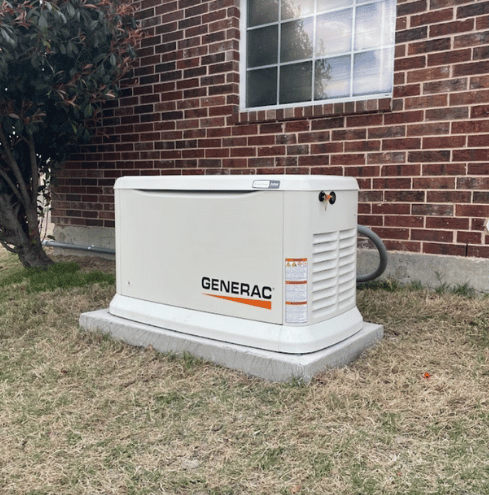
- Skipping a proper transfer method: Relying on improvised switching can create backfeed risks and unsafe conditions.
- Assuming any circuit will work: Generator power is limited, so the circuit selection needs to be planned intentionally.
- Overlooking panel and breaker condition: If your electrical panel is not ready, the generator system may not behave reliably.
- Ignoring wiring routing and protection: Wiring that is not designed for the installation can cause voltage drop or breaker trips.
- Forgetting practical use during outages: If outlets or lighting circuits are not included, you may still end up using extension cords during an emergency.
Customer Checklist
Use this checklist to prepare for a generator installation conversation in Wylie, TX. Bringing these details helps electricians design a safer, more practical system around your real outage needs.
Before the electrician arrives:
- Write down your essential loads and how many of each you may run at the same time.
- Bring a photo or notes of your main electrical panel and any subpanels.
- Identify the circuits you want powered during outages (or the rooms you want lit and why).
- List any electrical issues you have noticed, such as frequent breaker trips or flickering.
- Confirm whether you already own a generator or are still deciding.
Representative scenario (anonymized)
A Wylie homeowner contacted an electrician after a storm knocked out power for hours. They had a generator in mind, but they were not sure which circuits it should support. After reviewing their electrical panel and existing wiring, the electrician helped them select a smaller set of essentials for the first outage plan. They also clarified which lighting and outlet circuits would be included, so the homeowner could run refrigeration and key indoor lighting without improvising connections. The final design reduced overload concerns and made the system easier to use when outages happen again.
Plan your emergency generator wiring with JME Electric Group
If you want backup power that matches how your household actually runs, JME Electric Group can review your system and help you plan the safest approach for generator installation in Wylie, TX and surrounding areas.
Contact JME Electric GroupFrequently Asked Questions
Here are common questions homeowners ask when planning emergency generator installation near Wylie, TX.
Do I need an electrician for generator installation?
In most cases, yes. A generator connection involves electrical safety, correct wiring, and a transfer setup that prevents backfeed. Even if you have a generator ready, the way it ties into your electrical system determines whether your home can safely use backup power during outages. An electrician can also evaluate your panel and circuit wiring so the generator can run the essential loads you choose without creating unsafe conditions.
How do I decide which circuits to power during an outage?
Start with the essentials you need to keep stable during an outage, such as refrigeration, basic lighting, and outlets for important devices. Then consider what you want to avoid, like running everything at once and overloading the generator. Your electrician can help you map circuits to the generator plan based on how your panel is set up and which loads you want active. This approach usually leads to a more dependable experience when power returns or another outage occurs.
What if my electrical panel needs updates before generator work?
That is a common scenario, especially in older homes. If the panel or breakers are not in suitable condition, or if the layout does not support the generator wiring plan, electrical repairs or upgrades may be necessary first. Addressing panel readiness helps reduce nuisance trips and improves reliability during outages. If you are also considering broader electrical improvements, you can review options such as home rewiring and surge protection to support system stability.
Can I power everything in my home with a generator?
Usually not. Generators have practical limits, and trying to energize too many circuits at once can lead to overload conditions or tripping. Many homeowners select a smaller set of essential circuits designed for outages. This makes the system easier to use and helps you avoid unexpected shutdowns. A planned circuit strategy is often more useful than an “all or nothing” approach, especially for long outage periods.
What should I ask during a generator installation consultation?
Ask how the transfer method will be handled, which circuits will be included, and how the wiring will be routed and protected. Also ask what you should expect to power during an outage and how the system will behave when utility power returns. If you have any existing electrical concerns like breaker trips, mention them early. A clear plan for electrical wiring and transfer setup helps ensure the installation matches your real needs in Wylie, TX.
Ready to make outage power practical?
JME Electric Group serves Wylie, TX & surrounding areas with electrical planning for generator systems, wiring, and related electrical service upgrades. If you are trying to avoid unsafe improvising during an outage, start with a system review.
(971) 955-9758
JME Electric Group provides electrician services for homes and businesses in Wylie, TX & surrounding areas. Their team focuses on practical, safety-minded electrical work, including generator installations and wiring, electrical troubleshooting, electrical repairs, and related service upgrades that help your electrical system perform when it matters most.
Visit JME Electric Group to explore more electrical services, including generator-related wiring support and other home electrical improvements.