

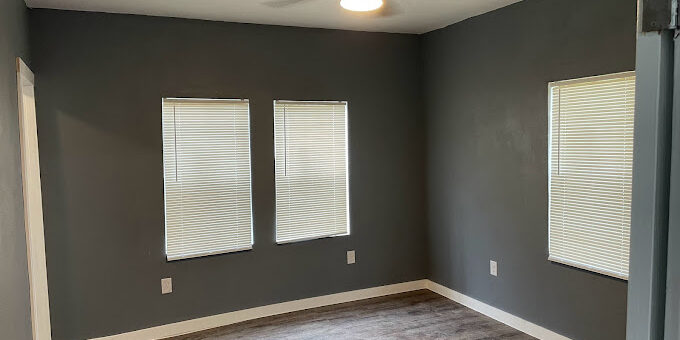
Need Fan Installation Near Me for Home Comfort
If you are in Wylie, TX and thinking about a ceiling fan for better airflow or an attic fan to manage heat, getting the wiring and mounting right is what separates “it runs” from “it works safely and comfortably.” This guide walks you through what to check first, what to expect during installation, and how to avoid the common issues that can cause wobble, flicker, or nuisance breaker trips.
Your living room feels warmer than it should, but your thermostat is not changing much. You consider adding a ceiling fan, then wonder: will it actually help, or will the wiring be a headache? In some homes around Wylie, TX, ceiling fans and attic fans get installed on “whatever is there,” and that is when you start seeing flickering lights, slow fan start, or a fan that wobbles after a few weeks.
You may also be dealing with summertime heat buildup in the attic, which can make the AC work harder. This guide helps you understand what needs to be planned for fan installation, what to inspect before you buy, and when it is worth calling an electrician for electrical troubleshooting and electrical repairs.
- Quick answer
- What to check first
- Main things customers should understand
- Why this matters in Wylie, TX
- Common mistakes to avoid
- Customer checklist
- Frequently asked questions
Quick Answer
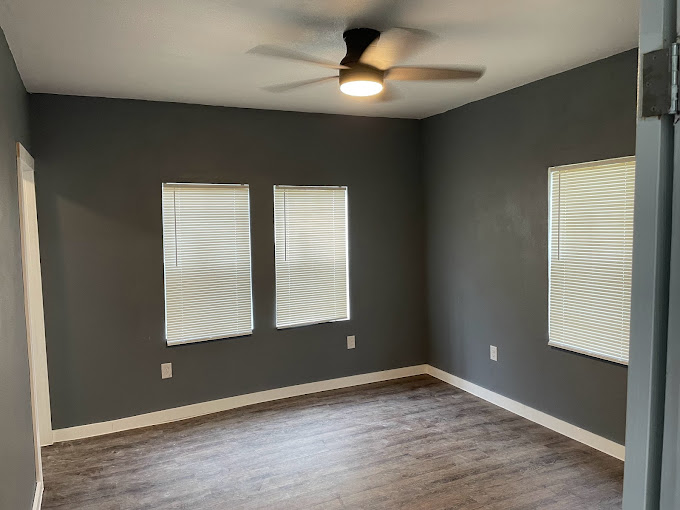
For most ceiling fan and attic fan projects, the safest path is to confirm the wiring setup before installation: correct fan-rated wiring, a stable ceiling box or attic mounting plan, and proper controls (like a compatible dimmer or fan switch). If your lights flicker, breakers trip, or you do not know what wiring is in the wall, pause and get electrical troubleshooting first. JME Electric Group can help ensure the fan is installed with the right electrical wiring and electrical code corrections so you get consistent comfort without surprises.
What to Check First
Before you schedule fan installation, take a few minutes to identify the “electrical starting point.” Fans need more than a power source. They need a safe connection, the right control method, and a mounting system that can handle vibration. Start by checking what is already on the ceiling or in the attic, then decide whether you are simply adding a fixture or upgrading circuits and controls.
1) Ceiling box and mounting location
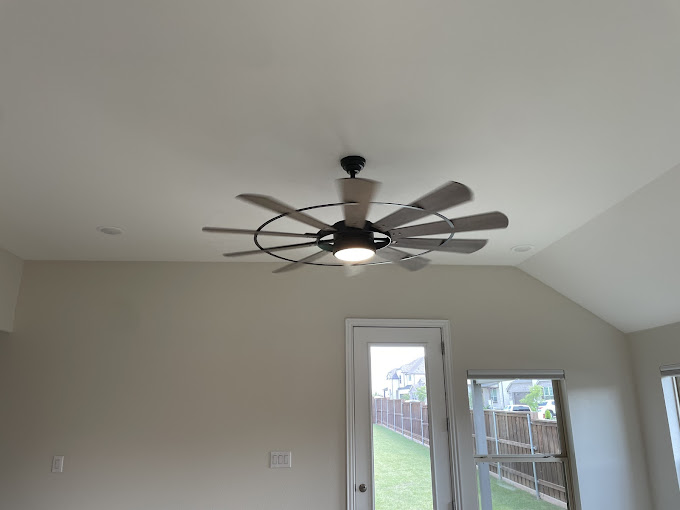
Ceiling fans should be mounted to a box designed for fan support. If you are replacing an old light fixture, the existing box may not be rated for fan loads, which can lead to wobble and loose hardware over time.
2) Control compatibility
If your fan includes a light kit, verify the switch or dimmer is compatible. Using an incompatible control can cause flicker, poor dimming, or overheating.
3) Wiring condition and routing
If you are seeing burning smells, scorch marks, or frequent breaker trips, the wiring may need attention. In older homes, home rewiring or electrical repairs may be part of doing the job correctly.
Professional observation: A fan installation often becomes a wiring project when the existing setup was never intended for a motor-driven load. Confirming the circuit and control wiring up front saves time and prevents “it works for a day” outcomes.
Main Things Customers Should Understand
Fan comfort is tied directly to electrical reliability. In Wylie, TX, homes vary in age and electrical service upgrades, so the right approach depends on what you currently have. Here are the most common factors we see during ceiling fan installation and related electrical work.
Ceiling fan installation basics
A proper ceiling fan install typically includes verifying power at the switch location, confirming neutral and ground availability where applicable, and ensuring the ceiling box is secure. If the fan has a light kit, wiring for the fan and light controls needs to be organized so each function responds correctly.
Attic fan installation and ventilation comfort
Attic fans are often used to reduce heat buildup and help the system run more efficiently. That means planning the electrical path carefully so the fan has stable power and an appropriate control strategy. In many homes, the attic also has tight access and older wiring, which is why electrical inspections and electrical troubleshooting matter before tying into existing circuits.
| Project type | What to confirm electrically | Common sign you may need electrical work |
|---|---|---|
| Ceiling fan replacement (light to fan or fan to fan) | Fan-rated ceiling box, correct switch wiring, compatible dimmer or fan control | Fan wobble after install, light flicker, switch feels loose, or inconsistent operation |
| Ceiling fan addition (new location) | Routing to the right circuit, proper connection points, and safe box support | Existing wiring does not reach, or circuit capacity/control needs clarification |
| Attic fan installation | Stable power source, safe wiring in attic conditions, correct control setup | Breaker trips, unusual heat around connections, or fan not starting reliably |
Related electrical services that often come up
Customers who are already planning fan installation frequently need other electrical improvements. If your fan project reveals wiring concerns, you may also benefit from electrical panel upgrades and repairs, home rewiring and surge protection, or dedicated circuit installation for consistent performance.
- Fan installation and repair for ceiling fans and related troubleshooting
- Electrical wiring when routing or connections need to be corrected
- Home rewiring and surge protection if wiring condition affects reliability
- Electric panel upgrades and repairs if breakers or circuit capacity are part of the issue
Why This Matters in Wylie, TX
In Wylie, TX, homeowners often notice temperature swings in living spaces and heat buildup in attics during warmer months. Fans can help circulation, but only if the installation is stable and the electrical control is compatible. We commonly see homes where the ceiling fan box was originally intended for lighting, or where older wiring and controls were not designed for motor-driven loads. That is why a careful electrical inspection and electrical code corrections can make the difference between comfortable airflow and ongoing nuisance issues.
Want a fan install that feels solid and consistent?
If you are searching for “fan installation near me” in Wylie, TX, JME Electric Group can review your setup and help with the electrical wiring, controls, and safety details that keep fans running the way they should.
Contact JME Electric GroupCommon Mistakes to Avoid
There are a few patterns we see that lead to repeat service calls. Some are wiring-related, some are control-related, and some are simply part selection and mounting. If you are about to buy a fan or book installation, use this list to catch problems early.
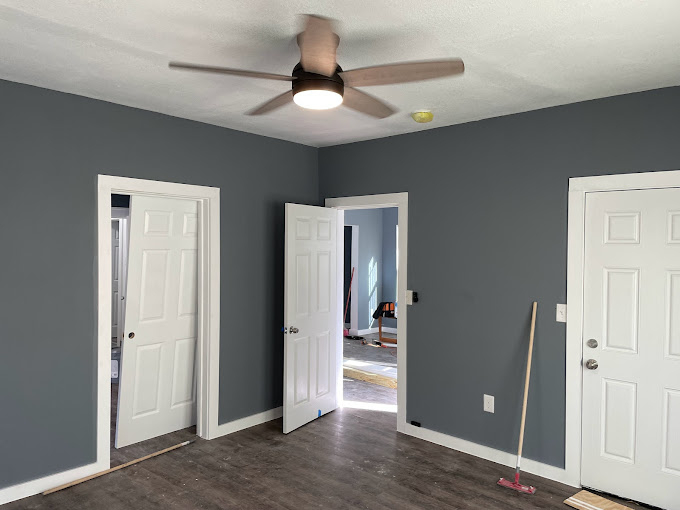
- Installing a ceiling fan on a non-rated ceiling box, which can cause wobble and loose components over time.
- Using the wrong type of switch or dimmer for a fan light kit, which can lead to flicker or unreliable operation.
- Assuming the existing circuit is ready for the added load without any electrical assessment.
- Ignoring signs of electrical issues, such as scorch marks, burning odors, or frequent breaker trips.
- Skipping a basic inspection of wiring condition and routing, especially when adding a fan to a new location.
Customer Checklist
Use this quick checklist to prepare for a smooth fan installation. It helps you communicate clearly with your electrician and reduces the chances of last-minute electrical surprises.
Before install, gather: the fan model and control type (wall switch, remote, dimmer), photos of the existing ceiling wiring setup if you are replacing a light, and a note about any current flicker, buzzing, or breaker behavior.
At the ceiling
- Confirm what the current ceiling box is supporting
- Check whether the light and fan are controlled separately or together
- Note any loose fixtures or visible wear
At the switch
- Identify the switch type (standard, dimmer, or remote receiver)
- Describe any flicker, delay, or intermittent power
- Share whether other outlets or lights are affected
In the attic (if adding an attic fan)
- Access and mounting location
- Whether you already have existing attic fan wiring
- Any breaker trips or unusual smells
A representative scenario (what it looks like in real life)
A Wylie, TX homeowner wanted a new ceiling fan in the living room to improve circulation. The existing fixture was a light kit, and the homeowner chose a fan with a light. During the electrical check, the team confirmed the ceiling box was not fan-rated and adjusted the electrical wiring layout so the fan and light operated correctly from the intended controls. After installation, the fan ran smoothly without flicker and the homeowner reported steadier comfort during the warmest parts of the day.
Frequently Asked Questions
Can I install a ceiling fan if the existing light switch already works?
Sometimes yes, but “the switch works” does not always mean it is ready for fan control. Ceiling fans with light kits often require a compatible switch or dimmer setup to prevent flicker and overheating. The ceiling box must also be rated for fan support. If you notice flickering, buzzing, or loose hardware, it is a strong sign the electrical wiring or mounting needs attention before you proceed.
Why does my fan light flicker after installation?
Flickering is commonly tied to control compatibility, wiring connections, or the type of dimmer used with the fan’s light kit. Some dimmers do not work well with certain LED setups, and incorrect wiring can also create inconsistent power behavior. If the flicker started after a switch change or after replacing the fan, it is worth checking the electrical troubleshooting details rather than repeatedly toggling the switch.
Do I need an electrician for an attic fan, or is it like a regular exhaust fan?
Attic fan installation is not always plug-and-play because it involves routing wiring safely in an attic environment and confirming the circuit and control method. If you are adding a fan to an area without existing wiring, routing and connection planning matters. If you have experienced breaker trips or unreliable operation, electrical repairs and electrical code corrections are often part of the fix.
What should I ask about electrical wiring and controls before the work starts?
Ask whether the ceiling box or attic mounting location is appropriate for the fan, whether the wiring method will support stable operation, and whether your desired control (switch, dimmer, or remote) is compatible with the fan and light kit. If you have any signs of electrical issues, mention them up front so electrical troubleshooting can focus on the real cause instead of guesswork.
Is it worth upgrading the electrical panel for fan installation?
Not automatically, but it may become relevant if you are seeing breaker trips, inconsistent power, or other ongoing electrical repairs in the home. A fan installation should be stable and predictable. If your electrical service upgrades are needed, addressing the panel or related circuit concerns can improve reliability across the home, not just for the fan.
Ready to get the right fan setup for your home?
For ceiling fan installation, attic fan installation, and related electrical repairs in Wylie, TX, JME Electric Group can help confirm wiring, mounting, and control details so your comfort upgrades work the first time.
(971) 955-9758
About JME Electric Group
JME Electric Group is an electrician serving Wylie, TX & surrounding areas. We focus on practical electrical solutions for customers, including fan installation and repair, electrical wiring, and electrical service upgrades when your home needs dependable performance and safe connections.
