
Most homeowners start thinking about generator installations the wrong way. They focus on the brand name, the advertised wattage, or the latest “smart” features, and skip over the much bigger question: will this system actually power what my home in Wylie needs, safely and reliably, when the grid goes down? A generator is not just a big appliance you plug in and forget about. It is a second power system for your property, and when it is installed poorly, it can be dangerous, unreliable, and surprisingly expensive to fix later.
Another common misconception is that any electrician, or even a handy homeowner, can “figure it out” with a quick online guide. In reality, expert generator installation is a specialized discipline. It blends electrical design, local code compliance, fuel system planning, load calculations, and practical knowledge of how homes in North Texas actually behave during extreme weather. That is why partnering with experts like JME Electric Group in Wylie, TX is less about convenience and more about protecting your home, your equipment, and your family.
This guide walks you through what expert generator installation really involves, from the planning stages to the first test run. Instead of focusing only on equipment, it focuses on decisions: what you want the generator to power, how long you expect it to run, where it should sit on your property, and how to make sure it comes on automatically when you need it. By the end, you will have a clear picture of what to expect when you work with experienced professionals, and how that expertise translates into peace of mind during the next outage in Wylie or the surrounding communities.
Why Generators Matter In Wylie
Wylie, TX sits in a part of North Texas where weather can swing quickly from blazing heat to severe storms. Power outages are not just inconveniences; they can threaten refrigerated food, medical equipment, home offices, and even the integrity of your home’s plumbing if a winter freeze hits. Many homeowners think of generators as a luxury, but in a region where the grid is under increasing strain, they are fast becoming a core part of a resilient home.
When the power fails, what you really want is continuity: your lights stay on, your HVAC keeps running, your security system remains active, and you can still cook, work, and communicate. Portable generators can offer a partial solution, but they require manual setup, extension cords, and constant refueling. An expertly installed standby generator, however, is wired directly into your home’s electrical system and paired with an automatic transfer switch. It senses the outage and starts on its own, which means you do not have to be home—or even awake—for it to protect you.
Local knowledge matters here. An installer who understands the electrical demands of homes in Wylie, from larger HVAC systems to pool equipment and home offices, can design a generator system that is neither underpowered nor wastefully oversized. JME Electric Group works in this environment every day, so their recommendations are based not just on theory, but on what actually happens when storm season hits and half the neighborhood goes dark.
Planning Before Installation
The most important work in a generator installation happens before any wires are pulled. A professional installer starts with a detailed conversation about your goals. Do you want to power your entire home, or just essentials like lights, refrigeration, and heating or cooling? Are there medical devices or home office setups that cannot go down? These questions shape the size and configuration of the system long before a model number is chosen.
Next comes a thorough load assessment. This is where expertise really shows. A trained electrician calculates the starting and running loads of major appliances, HVAC equipment, water heaters, well pumps (if you have one), and any special loads like EV chargers or workshop tools. They do not just add numbers from labels; they consider diversity of use, surge currents when motors start, and how loads can be managed to keep the generator running comfortably. This is how JME Electric Group avoids one of the most common DIY mistakes: installing a generator that looks big enough on paper, but trips out whenever the AC and oven kick on together.
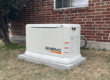
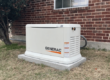
Site planning is another critical step. Generators must be placed with proper clearances from windows, doors, and vents to prevent exhaust from entering the home. They need a stable, level surface such as a concrete pad, and they must comply with both manufacturer guidelines and local codes in Wylie and Collin County. An expert installer will walk your property, identify the best location for safety, noise, and accessibility, and plan the routing of electrical conduit and fuel lines so the system is tidy and code-compliant.
Fuel Choices And Safety
For most homes in Wylie, standby generators run on either natural gas or propane. The choice depends largely on what is already available at your property and how long you want the system to be able to run. If you already have natural gas service, this is often the most convenient option because the fuel supply is continuous and does not require on-site storage. An expert installer will coordinate with your gas provider or plumber to ensure the gas line can supply enough volume and pressure for the generator at full load.
Propane is a strong option for homes without natural gas or for homeowners who want more control over their fuel supply. It requires a storage tank, which can be above or below ground, and that tank must be sized correctly for the generator’s consumption and the expected runtime during extended outages. Professionals like JME Electric Group factor in local delivery schedules, typical outage durations, and your usage priorities to recommend a tank size that balances cost, footprint, and resilience.
Fuel safety is non-negotiable. Gas lines must be correctly sized, pressure-tested, and installed with proper shutoff valves and regulators. The generator’s exhaust must be routed and placed to prevent carbon monoxide buildup near occupied spaces. Expert installers follow not just electrical codes but mechanical and fuel gas codes as well, and they coordinate inspections with local authorities when required. This is one of the biggest reasons to avoid cutting corners: a fuel or exhaust problem can turn a helpful backup system into a serious hazard.
The Electrical Integration Process
Once planning is complete, the heart of the installation is integrating the generator with your home’s electrical system. This is where the automatic transfer switch (ATS) comes into play. The ATS monitors utility power and, when it detects an outage, safely disconnects your home from the grid and connects it to the generator. When power is restored, it reverses the process. This prevents dangerous backfeeding of power into utility lines, which can endanger line workers and damage your equipment.
There are different ways to configure an ATS. Some installations use a whole-house transfer switch that powers your entire panel, sized so that your generator can handle the load, often with load-shedding controls for high-demand circuits like HVAC. Others use a dedicated subpanel to power only selected “critical loads” such as refrigerators, lighting, and outlets in important rooms. JME Electric Group reviews your priorities and your budget to recommend the right approach, then designs the wiring so that normal operation and backup operation are both clean and intuitive.
During installation, electricians will route conduit, pull conductors, and make terminations in the main panel, transfer switch, and generator. Every connection must be tight, correctly sized, and labeled. Grounding and bonding are verified so that fault currents have a safe path and your system meets the National Electrical Code as adopted in Texas. In Wylie, this often includes coordinating with local inspectors to confirm that the system meets all applicable standards. A professional team treats these steps not as red tape, but as the backbone of a safe, reliable backup power solution.
Testing, Commissioning, And Training
When the physical installation is complete, the generator system is not simply switched on and left. Expert installers perform a commissioning process to confirm that every part functions as designed. This includes verifying fuel pressure, checking voltage and frequency output, and testing the automatic transfer sequence. The system is run under load to make sure it can start and carry the expected appliances without sagging voltage or tripping.
Commissioning is also the time to fine-tune settings. Modern generators often allow control of exercise cycles, startup delays, and load management. JME Electric Group technicians can program these parameters based on your preferences and the realities of Wylie’s grid. For example, you may not want the generator to start for a two-minute flicker, but you do want it to come on quickly for a sustained outage. These details make a big difference in fuel use, wear and tear, and your overall experience during storms.
Finally, an expert installation includes homeowner training. You should know how to recognize normal operation, how to shut down the system if needed, and what basic maintenance steps are your responsibility. Technicians will walk you through the control panel, explain indicator lights or messages, and show you where to find key components like breakers and shutoff valves. This short orientation turns a complex system into something you can live with confidently, instead of a mysterious box humming away in the side yard.
Maintenance And Long-Term Reliability
A generator is like a vehicle: it can sit quietly most of the time, but when you need it, you expect it to perform flawlessly. That reliability does not happen by accident. Expert installers build maintenance into the plan from the beginning. This usually means scheduled oil changes, filter replacements, periodic load testing, and inspection of fuel and electrical connections. In the North Texas climate, checking for dust, insect intrusion, and weather-related wear is also important.
Many homeowners in Wylie choose a maintenance agreement with a trusted local contractor so they are not relying on memory or guesswork. JME Electric Group can set up recurring service visits, keep records of your generator’s health, and spot small issues before they lead to failures during a storm. This proactive approach is especially valuable for standby generators that may only run a few hours per year but are expected to work perfectly when called upon.
Long-term reliability is also about usage habits. Avoid overloading the system; if your generator was sized for essentials, be disciplined about adding new heavy loads without consulting an electrician. Pay attention to any unusual sounds, smells, or error codes, and call for service instead of ignoring them. With proper installation and care, a quality standby generator can protect your Wylie home for many years, turning unpredictable outages into minor disruptions instead of full-blown emergencies.
Frequently Asked Questions
How do I know what size generator I need? The right size depends on what you want to power and how your home is wired. An expert will perform a load calculation that accounts for major appliances, HVAC systems, and any special equipment. In Wylie, many homeowners choose a generator sized to handle at least one HVAC system plus essentials like refrigeration, lighting, and outlets. Working with a professional like JME Electric Group ensures that surge currents and simultaneous loads are properly considered, so the generator is neither underpowered nor unnecessarily oversized.
How long does a professional installation usually take? The timeline varies with the complexity of the job, but a typical residential standby generator installation usually takes one to three days of on-site work after permits and equipment are in place. The process includes setting the generator on its pad, running electrical conduit and wiring, installing and wiring the automatic transfer switch, and connecting the fuel supply. Additional time may be needed for inspections or coordination with gas providers in Wylie. A reputable installer will give you a clear schedule and keep you updated throughout.
Can I install a standby generator myself? Technically, some homeowners attempt DIY installations, but it is strongly discouraged. Generator installation involves high-voltage electrical work, integration with your main service, and gas or propane connections, all of which are governed by strict codes. Mistakes can lead to fire, carbon monoxide poisoning, equipment damage, or dangerous backfeeding into utility lines. In most cases, local regulations and manufacturer warranties require installation by licensed professionals. Using experienced electricians like those at JME Electric Group protects your safety and your investment.
What kind of permits or inspections are required in Wylie? Most standby generator installations require electrical permits, and fuel connections may require additional permits and inspections depending on whether you use natural gas or propane. Local authorities ensure compliance with the National Electrical Code, fuel gas codes, and zoning or setback requirements. A professional installer will typically handle the permitting process and coordinate inspections on your behalf, so you do not have to navigate the regulations alone. This is another advantage of choosing established experts familiar with Wylie’s requirements.
How do I find a trustworthy installer near me? Look for licensed, insured electrical contractors with specific experience in standby generator systems, not just general electrical work. Ask about their process for load calculations, fuel planning, and permitting, and request references from recent generator projects. Local familiarity is a plus, because conditions and codes in Wylie and the surrounding area have their own nuances. Many homeowners start by searching for Electrical companies near me and then narrowing down to those with strong generator expertise, clear communication, and a track record of long-term customer support.